Top Signs Your Septic System Needs Repair
A well-maintained septic system is essential for the smooth operation of your home’s plumbing. However, like any system, it can develop problems over time. Recognizing the early signs of trouble can help you avoid costly repairs and ensure your septic system continues to function efficiently. Here are the top signs that your septic system needs repair.
1. Slow Drains and Backups
One of the first signs that your septic system may need attention is slow-draining sinks, showers, and toilets. If multiple drains in your home are sluggish, it could indicate a blockage in your septic system. Backups in your plumbing are more severe, often signifying that your septic tank is full or there is a clog in the drain field. If you notice these issues, it’s essential to contact a professional promptly to diagnose and resolve the problem.
2. Unpleasant Odors
Foul smells around your property, especially near the septic tank or drain field, are a clear indication that something is amiss. These odors can be caused by gases escaping from the tank or wastewater surfacing in the drain field. Persistent sewage smells are not only unpleasant but also a health hazard, and they require immediate attention from a septic system professional.
3. Standing Water or Damp Spots
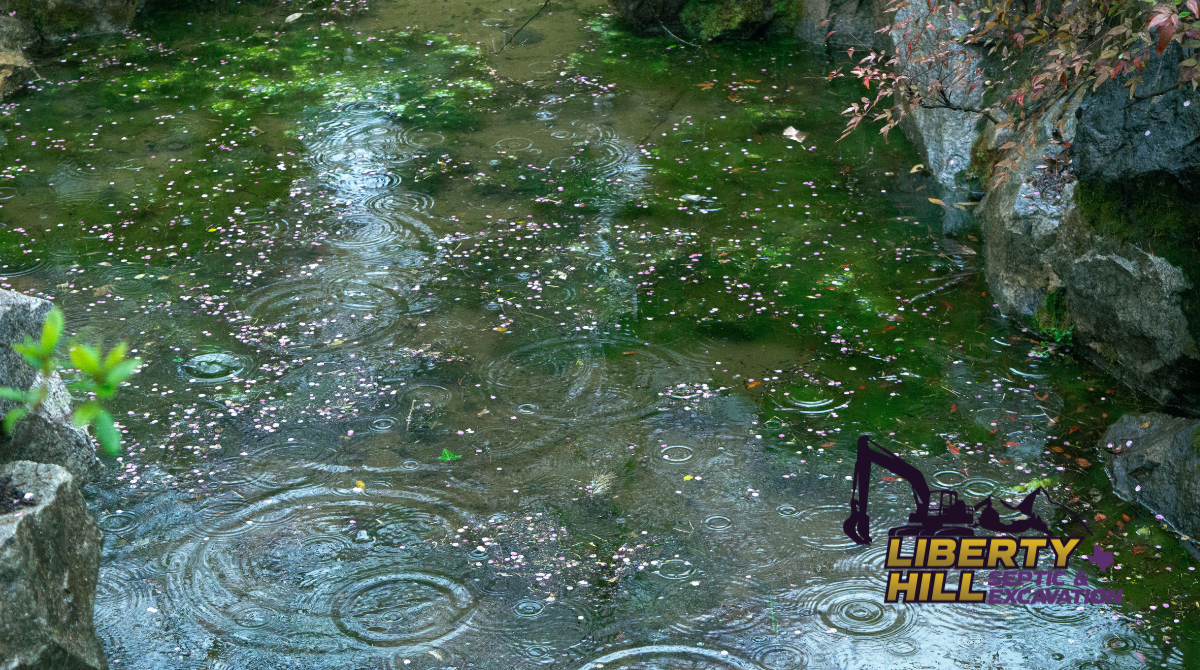
If you observe standing water or damp spots in your yard, particularly around the drain field, it could mean that your septic system is failing. This issue often arises when the septic tank is overloaded, or there is a blockage preventing proper drainage. Standing water can be hazardous, as it may contain harmful bacteria and pathogens. It’s crucial to address this problem quickly to prevent further damage to your property and health risks to your family.
4. Lush, Green Grass
While a green lawn is usually desirable, unusually lush and green grass over your drain field could indicate a problem with your septic system. When a septic system fails, it can release excess nutrients into the soil, promoting vigorous plant growth. If the grass over your drain field is noticeably greener than the rest of your yard, it’s worth having your septic system inspected.
5. High Nitrate Content in Well Water
For homes that rely on well water, high nitrate levels can be a warning sign of septic system issues. A failing septic system can leach contaminants into the groundwater, affecting the quality of your well water. Regular testing of your well water can help you catch this problem early. If you detect high nitrate levels, it’s essential to have your septic system checked to prevent further contamination.
6. Frequent Need for Pumping
While regular septic tank pumping is necessary for maintenance, requiring it more frequently than usual could indicate a problem. If your tank fills up quickly, it may be due to issues such as a clogged drain field or excessive water usage. Consulting with a septic professional can help determine the underlying cause and prevent the need for constant pumping.
7. Gurgling Sounds
Unusual sounds coming from your plumbing, such as gurgling or bubbling, can signal that your septic system is struggling. These noises often occur when there is a blockage or air trapped in the pipes. Ignoring these sounds can lead to more significant issues, so it’s wise to have your system inspected if you hear anything unusual.
Recognizing the signs of septic system trouble is crucial for maintaining a healthy and functional system. Slow drains, unpleasant odors, standing water, lush grass, high nitrate levels, frequent pumping, and gurgling sounds are all indicators that your septic system may need repair. If you notice any of these signs, contact a professional septic service like Liberty Hill Septic and Excavation promptly. Early intervention can save you from costly repairs and ensure your septic system operates smoothly for years to come.