

How to Prevent Water Damage from Late-Winter Thaws
February 14, 2025
Late winter in Texas often brings fluctuating temperatures, light snowfall, and heavy rain, all of which can increase the risk of water damage to homes and properties. Without proper preparation, melting snow and excessive rain can lead to foundation cracks, basement flooding, and landscape erosion. Here’s how to protect your home from water damage as winter transitions into spring.
1. Ensure Proper Drainage Around Your Home
One of the most effective ways to prevent water damage is to ensure your property has proper drainage. Poor drainage can lead to standing water, which weakens the foundation and can seep into basements or crawl spaces.
Check your gutters and downspouts to ensure they are free of debris and directing water away from your home.
Extend downspouts at least five feet away from the foundation to prevent pooling.
If your yard tends to flood, consider installing a French drain or a dry creek bed to redirect water.
2. Inspect and Maintain Your Roof
Your roof is the first line of defense against water damage. Heavy rain can exploit weak spots, leading to leaks and structural damage.
- Inspect your roof for missing shingles, cracks, or damaged flashing.
- Clean gutters to prevent water buildup and overflow.
- Check attic insulation to ensure it prevents moisture accumulation.
3. Protect Your Home’s Foundation
Excess moisture around the foundation can lead to cracks and structural instability. Late-winter thaws, combined with heavy rain, can quickly saturate the soil, putting pressure on the foundation.
- Apply waterproof sealant to your foundation walls.
- Make sure the grading around your home slopes away from the foundation to prevent water pooling.
- Install a sump pump in vulnerable areas to remove excess water before it causes damage.
4. Check Your Plumbing for Leaks
Late-winter temperature fluctuations can cause pipes to contract and expand, leading to leaks or bursts. A small plumbing leak can quickly escalate into significant water damage.
- Inspect exposed pipes for cracks or weak points.
- Ensure your water heater is functioning properly to avoid pressure buildup.
- Consider installing leak detection sensors near high-risk areas like water heaters and washing machines.
5. Monitor Your Landscaping
Your yard plays a crucial role in water management. Poor landscaping can cause water to collect around your home rather than flow away from it.
- Avoid planting trees or shrubs too close to the foundation, as their roots can create water retention pockets.
- Use mulch or gravel to improve soil drainage.
- Install rain barrels to collect excess rainwater and prevent runoff issues.
Texas’s late-winter thaws can lead to unexpected water damage, but with proper planning, homeowners can safeguard their properties. Ensuring effective drainage, maintaining your roof, protecting your foundation, checking plumbing, and optimizing landscaping can help prevent costly repairs. By taking these steps now, you can protect your home from the impact of heavy rain and fluctuating temperatures.
For professional drainage solutions or excavation services in Liberty Hill, contact Liberty Hill Septic and Excavation
today.
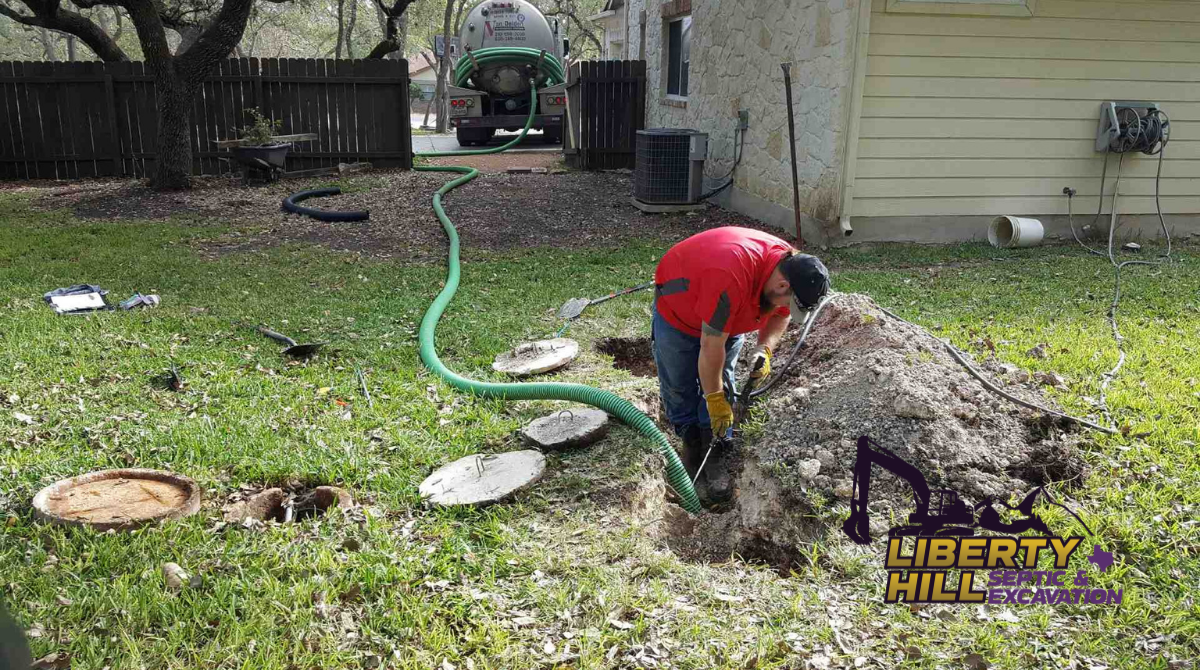
Wondering what a professional septic tank maintenance service should include? Here's a step-by-step look at what happens during a thorough visit.
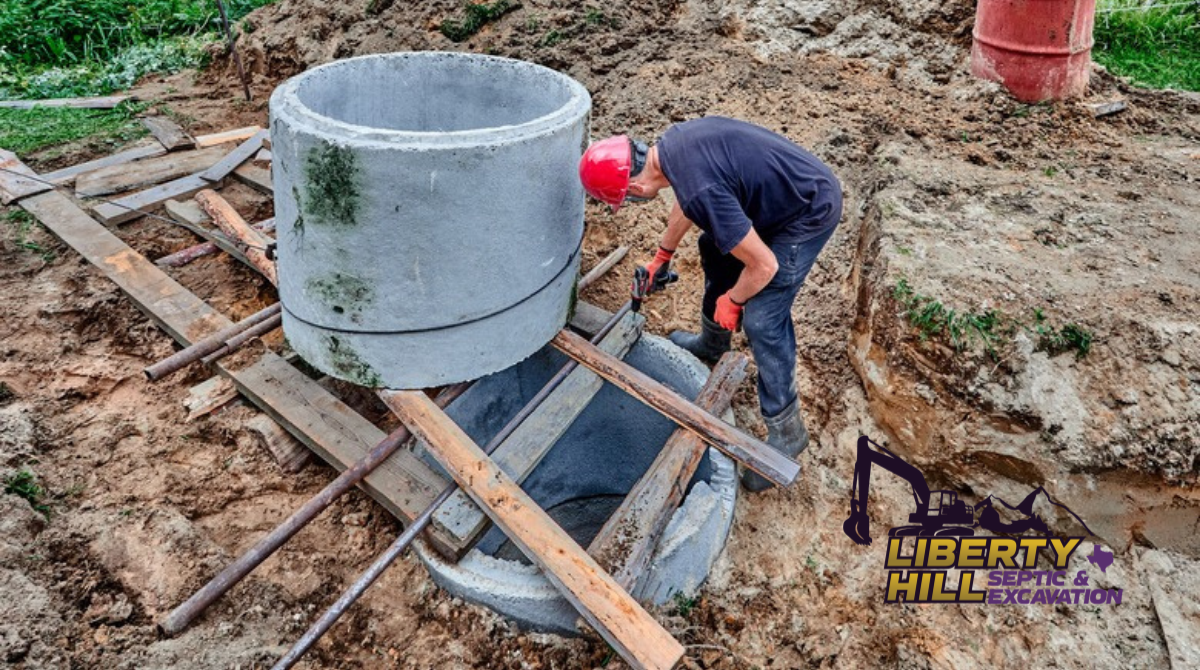
Do septic treatment additives really work? Here's what EPA and university research says, and what actually keeps a Central Texas septic system healthy.

Own a ranch, venue, or small business in Williamson County? Learn what commercial septic tank maintenance actually requires under Texas rules.
Learn septic drain field maintenance tips and warning signs before fall. Protect the most expensive part of your septic system from failure.
Think your septic issue can wait? These 5 warning signs mean it's time for emergency septic tank repair here's what to watch for and do next.
Not sure what septic tank cleaning services include or how often you need one? Here's what's covered and how to plan your schedule.
Looking for a septic service near me in Central Texas? Learn what questions to ask, what licenses matter in TX, and red flags to avoid.
Septic system failure? Learn the warning signs, what to do, and when to call for emergency septic pumping in Liberty Hill, TX.
Heavy rain can cause serious septic problems in Liberty Hill, TX. Learn the warning signs, what to do, and when to call a pro.

There's nothing quite like a Texas summer evening on the back porch, until the smell hits you. If you've caught a whiff of something foul drifting up from your yard, near your drains, or around your tank lid, you're not imagining things. Summer heat has a way of turning minor septic odor problems into hard-to-ignore warning signs. And while a little smell isn't always a crisis, it's rarely something you should brush off. At Liberty Hill Septic & Excavation , we work with homeowners across the Hill Country and surrounding areas who are dealing with exactly this. Here's what those odors might be telling you, and what to do about it. Why Summer Makes Septic Odors Worse Warmer temperatures don't create septic problems out of nowhere, they amplify what's already there. The heat accelerates bacterial activity inside your tank, which can increase gas production. It also dries out the soil around your drain field, reducing the ground's ability to filter and absorb wastewater properly. Add in increased household water usage from summer guests, kids home from school, and outdoor activities, and your system is under more stress than it sees most of the year. That combination is a recipe for septic odor problems that were barely noticeable in March to become hard to ignore by July.
