
Septic Tank Maintenance Service: What Should Happen During a Professional Visit?
Septic Tank Maintenance Service: What Should Happen During a Professional Visit?
If you've never watched a septic crew work, it's fair to wonder what you're actually paying for when you book a septic tank maintenance service. Is it just a truck that pumps and leaves? It shouldn't be. A thorough septic tank maintenance service is closer to a physical exam for your system, and knowing what should happen during the visit helps you tell a careful company from a rushed one. Here's what a professional visit looks like from start to finish.
Before the Truck Ever Arrives
A good company starts asking questions when you call:
- Where is your tank located: If you have records, a site drawing, or a permit on file, that speeds everything up. If not, the crew should be prepared to locate it.
- When was it last pumped: Your service history shapes what the technician expects to find.
- How many people live in the home: Household size drives how quickly solids accumulate.
- Have you noticed any symptoms: Slow drains, odors, or soggy spots near the drain field all change what the visit should focus on.
If a company asks none of this and just quotes a flat price sight unseen, that's your first signal about how the visit will go.
Step by Step: What a Thorough Visit Includes
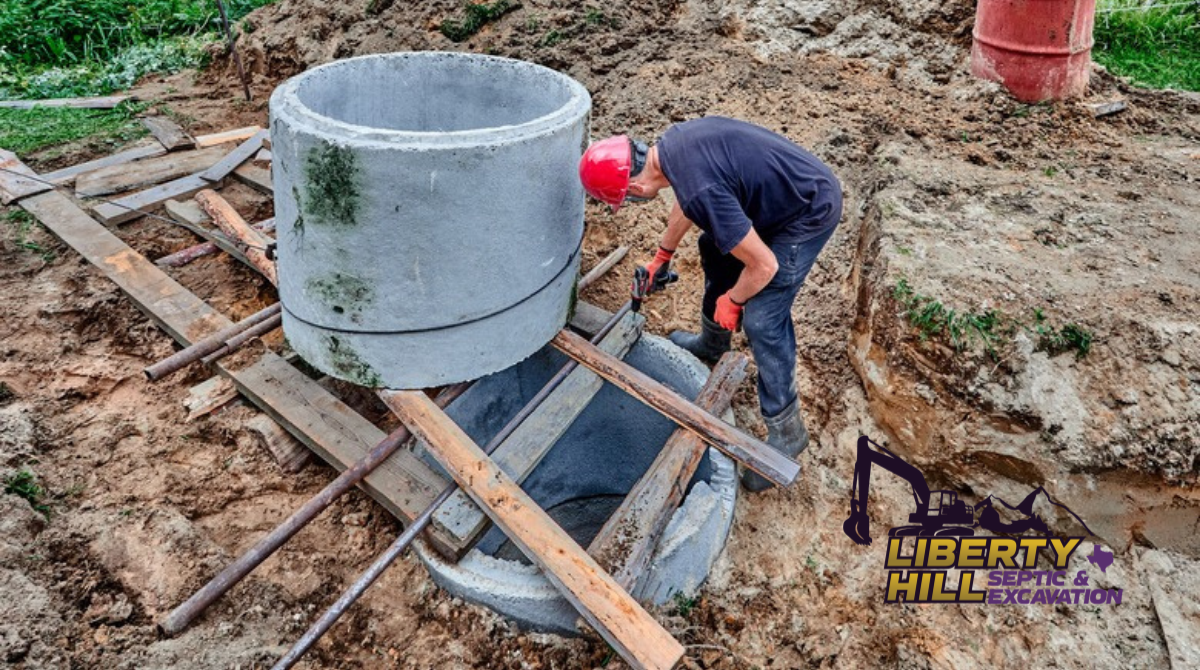
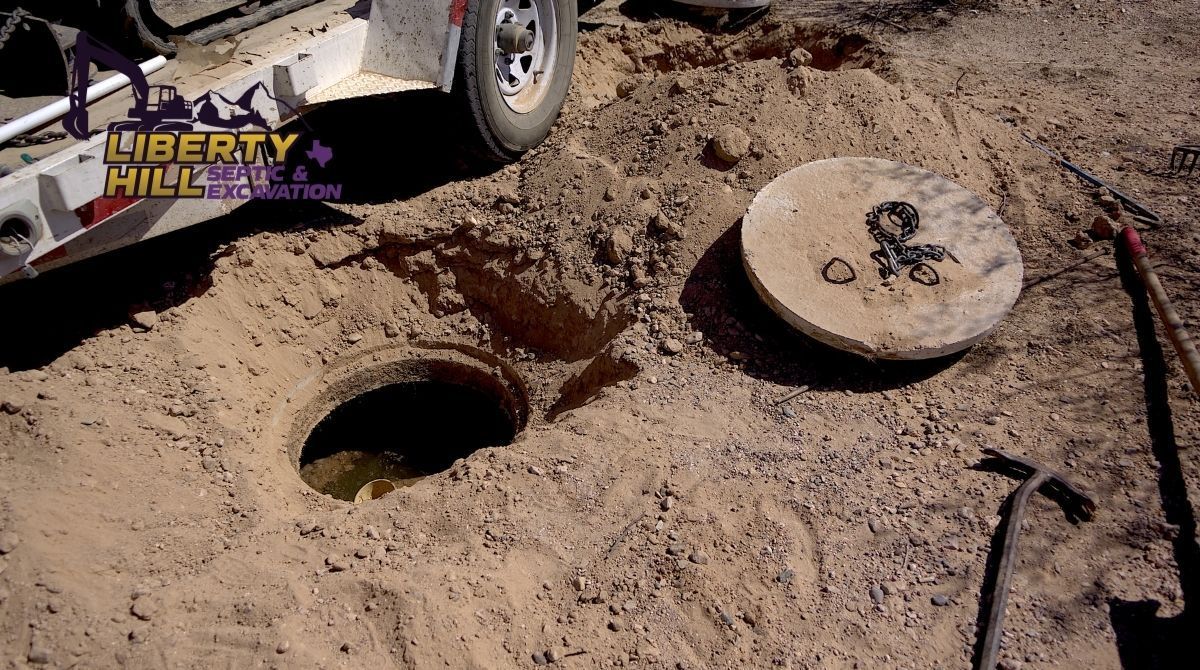
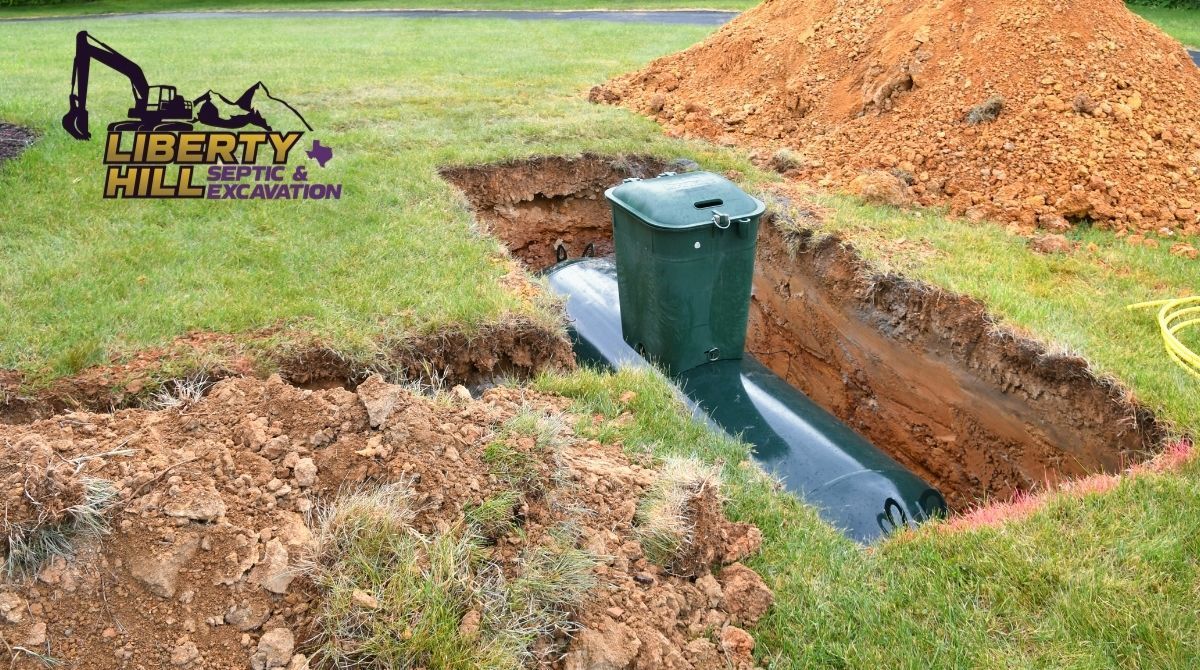
- Locating and accessing the tank: The technician uncovers the tank's access lid (the manhole, not just the small inspection ports). Pumping through a small port can leave solids behind, so proper access matters.
- Measuring the scum and sludge layers: This is the heart of real septic tank maintenance service. Measuring the floating scum layer and the settled sludge layer tells the technician whether your tank actually needs pumping now or can safely wait. A company that never measures is guessing.
- Checking the inlet and outlet baffles: These components keep solids in the tank and out of your drain field. Damaged or missing baffles are one of the most common and most fixable problems a visit can catch.
- Inspecting and cleaning the effluent filter: If your system has one, it should be pulled, checked, and rinsed. A clogged filter is a cheap fix that prevents expensive backups.
- Pumping when the levels call for it: When the measurements say it's time, the tank is fully pumped through the manhole, including both compartments on a two-compartment tank.
- Looking over the drain field: A walk of the drain field checks for soggy ground, sewage odors, or unusually green stripes of grass, all early signs of trouble worth catching now.
- Documenting the visit: You should end up with a written record of the sludge and scum levels, the tank's condition, any repairs recommended, and when your next service is due.
That last item matters more than most homeowners realize. Those records help you stay on schedule, and they're valuable documentation if you ever sell your home.
What You Should Walk Away With
After a professional visit, you should know three things: the current condition of your tank and components, whether anything needs repair and why, and when the next service should happen. What you shouldn't get is pressure. A trustworthy technician explains what they measured and lets the findings speak, rather than pushing a replacement before an inspection justifies it. If your system is showing urgent symptoms between visits, our post on the signs your septic system needs immediate attention covers what shouldn't wait.
How Often Should You Schedule Service?
The EPA's SepticSmart guidance recommends a professional inspection at least every three years and pumping every three to five years for a typical household. Central Texas conditions can shorten that window, since clay-heavy soils and heavy seasonal rains stress systems harder than average, and larger households fill tanks faster. If you're heading into the colder months, our post on the signs your septic tank needs pumping before winter is a good seasonal checkpoint. When in doubt, let the measurements decide, which is exactly what a proper visit is for.
Ready to see what a thorough visit actually looks like? Liberty Hill Septic & Excavation provides complete septic tank maintenance service across Liberty Hill, Leander, Georgetown, Burnet, Jarrell, and the surrounding Hill Country, with real measurements, honest recommendations, and written records every time.
Learn more on our septic system maintenance page.
Call us or schedule online at libertyhillseptic.com/Contact and we'll get you on the calendar.
Frequently Asked Questions
How long does a septic maintenance visit take?
Most routine visits take one to two hours depending on tank access, whether pumping is needed, and the condition of the system. Locating a buried tank with no records can add time on a first visit.
Do I need to be home during the service?
It helps but isn't always required. Being available for the walkthrough at the end is worth it, since that's when the technician explains what they measured and whether anything needs attention.
What's the difference between septic pumping and septic maintenance?
Pumping removes the solids from your tank. Maintenance is the full visit around it: measuring the layers, checking baffles and filters, evaluating the drain field, and documenting the system's condition. Pumping without inspection misses the problems that cause the expensive failures.
Will the crew dig up my yard to reach the tank?
Only the access lid needs to be exposed, which usually means removing a small section of soil above it. Installing riser lids during a visit brings the access point up to ground level so future visits require no digging at all.
How do I know if my tank actually needed pumping?
Ask for the measurements. The scum and sludge levels tell the story, and a professional should share them without being asked. If a company pumps every visit without measuring anything, you may be paying for service you didn't need yet.
What should a maintenance visit cost in Central Texas?
Pricing varies with tank size, access, and whether pumping is included, so be cautious of flat quotes given sight unseen. A written estimate before work begins is the standard you should expect from any company.