Blog
Our blog at Liberty Hill TX Septic & Excavation is your go-to resource for expert insights and advice on all things related to septic systems, excavation, and residential construction. From informative guides to helpful tips, we strive to empower homeowners with the knowledge they need to make informed decisions about their properties. Explore our blog today and discover valuable information to help you maintain and improve your home.
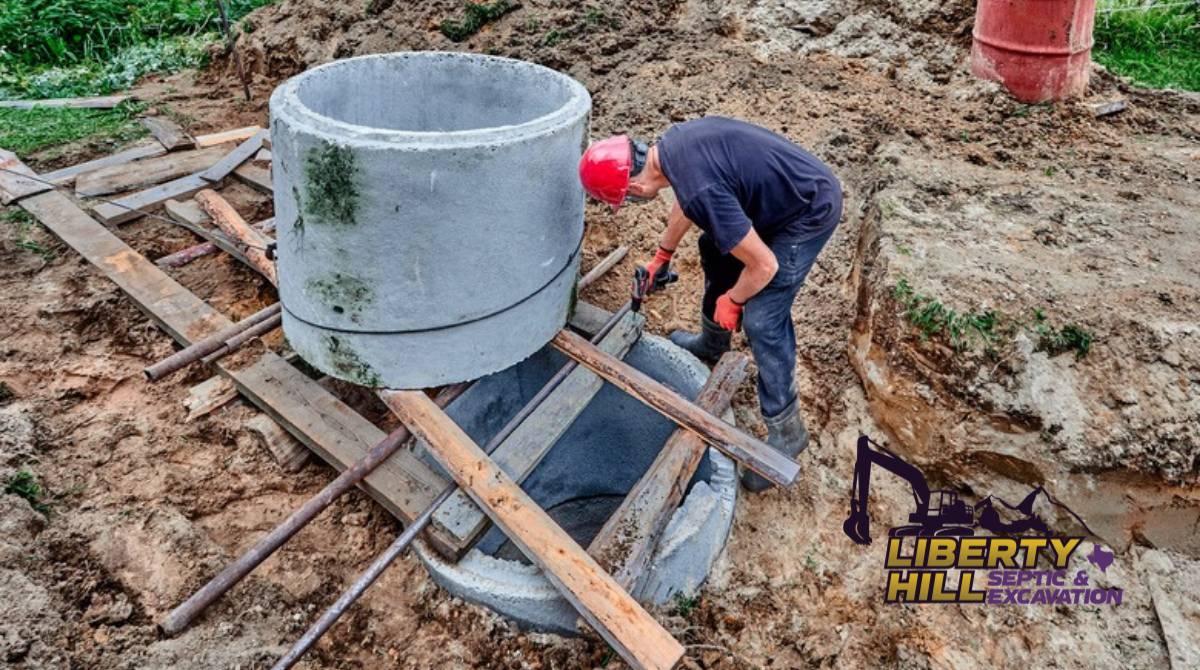
Do septic treatment additives really work? Here's what EPA and university research says, and what actually keeps a Central Texas septic system healthy.

Own a ranch, venue, or small business in Williamson County? Learn what commercial septic tank maintenance actually requires under Texas rules.
Learn septic drain field maintenance tips and warning signs before fall. Protect the most expensive part of your septic system from failure.
Think your septic issue can wait? These 5 warning signs mean it's time for emergency septic tank repair here's what to watch for and do next.
Not sure what septic tank cleaning services include or how often you need one? Here's what's covered and how to plan your schedule.
Looking for a septic service near me in Central Texas? Learn what questions to ask, what licenses matter in TX, and red flags to avoid.
Septic system failure? Learn the warning signs, what to do, and when to call for emergency septic pumping in Liberty Hill, TX.
Heavy rain can cause serious septic problems in Liberty Hill, TX. Learn the warning signs, what to do, and when to call a pro.
There's nothing quite like a Texas summer evening on the back porch, until the smell hits you. If you've caught a whiff of something foul drifting up from your yard, near your drains, or around your tank lid, you're not imagining things. Summer heat has a way of turning minor septic odor problems into hard-to-ignore warning signs. And while a little smell isn't always a crisis, it's rarely something you should brush off. At Liberty Hill Septic & Excavation , we work with homeowners across the Hill Country and surrounding areas who are dealing with exactly this. Here's what those odors might be telling you, and what to do about it. Why Summer Makes Septic Odors Worse Warmer temperatures don't create septic problems out of nowhere, they amplify what's already there. The heat accelerates bacterial activity inside your tank, which can increase gas production. It also dries out the soil around your drain field, reducing the ground's ability to filter and absorb wastewater properly. Add in increased household water usage from summer guests, kids home from school, and outdoor activities, and your system is under more stress than it sees most of the year. That combination is a recipe for septic odor problems that were barely noticeable in March to become hard to ignore by July.
Seeing puddles hang around your yard long after the rain stops? It's more than just an eyesore especially here in Liberty Hill, where heavy rains and clay-rich soil can make drainage issues more common for homeowners. This standing water can be a sign of deeper issues that, if ignored, can cause real problems for your home and landscape. From killing your grass to potentially damaging your foundation, what seems like a minor inconvenience can quickly turn into a costly headache. Key Takeaways Standing water can damage grass, attract pests, and indicate poor drainage Soil conditions, grading, and gutter issues are common causes Long-term exposure to moisture can weaken your home’s foundation There are both simple and advanced solutions depending on the issue Addressing drainage early prevents expensive repairs later Why Standing Water Is More Than Just an Eyesore It’s easy to assume puddles will dry up on their own but when they don’t, it means water isn’t draining properly. Over time, this excess moisture begins to affect everything around it. Grass roots need oxygen to stay healthy. When soil stays waterlogged, those roots suffocate, leading to thinning patches, discoloration, and eventually dead areas in your lawn. At the same time, standing water creates the perfect breeding ground for mosquitoes and other insects. What starts as a small puddle can quickly turn into a recurring pest problem, making your yard less enjoyable and potentially affecting your family’s health. . What Causes Water to Collect in Your Yard? Water buildup usually points to an underlying issue with how your yard handles drainage. Some of the most common causes include: Compacted or Clay Soil Dense soil doesn’t absorb water well. Instead of soaking in, water sits on the surface and pools in low areas. Poor Yard Grading If your yard slopes toward your home even slightly water will naturally collect near your foundation instead of flowing away. Gutter and Downspout Problems Clogged gutters or short downspouts can dump large amounts of water right next to your home, overwhelming the soil’s ability to absorb it. Hidden Issues In some cases, underground plumbing leaks or irrigation problems can also contribute to constant wet spots, even when it hasn’t rained.
