
Septic Tank Cleaning Services: What's Included and How Often Do You Need It?
Septic Tank Cleaning Services: What's Included and How Often Do You Need It?
If you've never had your septic tank serviced before, the terminology alone can be confusing. Pumping, cleaning, inspection, aren't they all the same thing? Not quite. Understanding what septic tank cleaning services actually include, and how often your Hill Country home needs them, is the difference between a system that lasts decades and one that fails years ahead of schedule.
Pumping vs. Cleaning vs. Inspection: What's the Difference?
These three terms get used interchangeably, but they aren't identical:
- Pumping removes the liquid and solid waste from your tank using a vacuum truck. This is the core of most septic tank cleaning services.
- Cleaning goes a step further. After pumping, a technician typically breaks up and removes any remaining sludge or scum layer stuck to the tank walls and baffles, which pumping alone can leave behind.
- Inspection is a visual and sometimes camera-based check of the tank, baffles, and drain field condition, usually done at the same appointment as pumping and cleaning.
Most reputable septic tank cleaning services bundle all three into one visit, which is the most efficient way to handle it.
What's Included in a Standard Septic Tank Cleaning Service
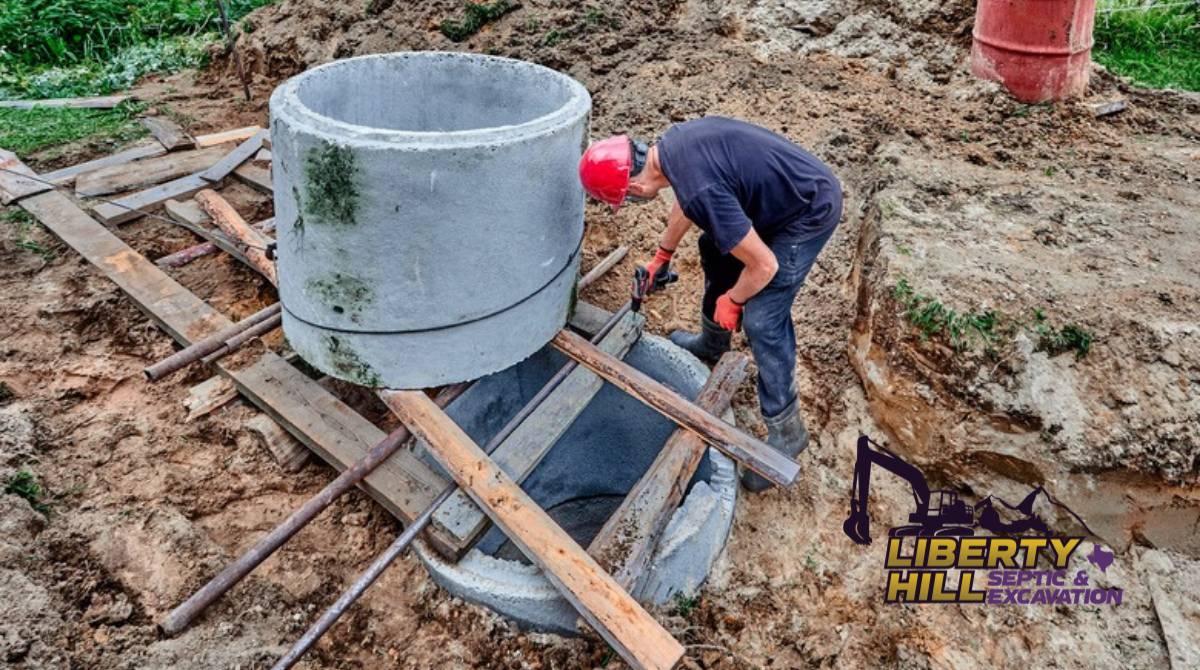
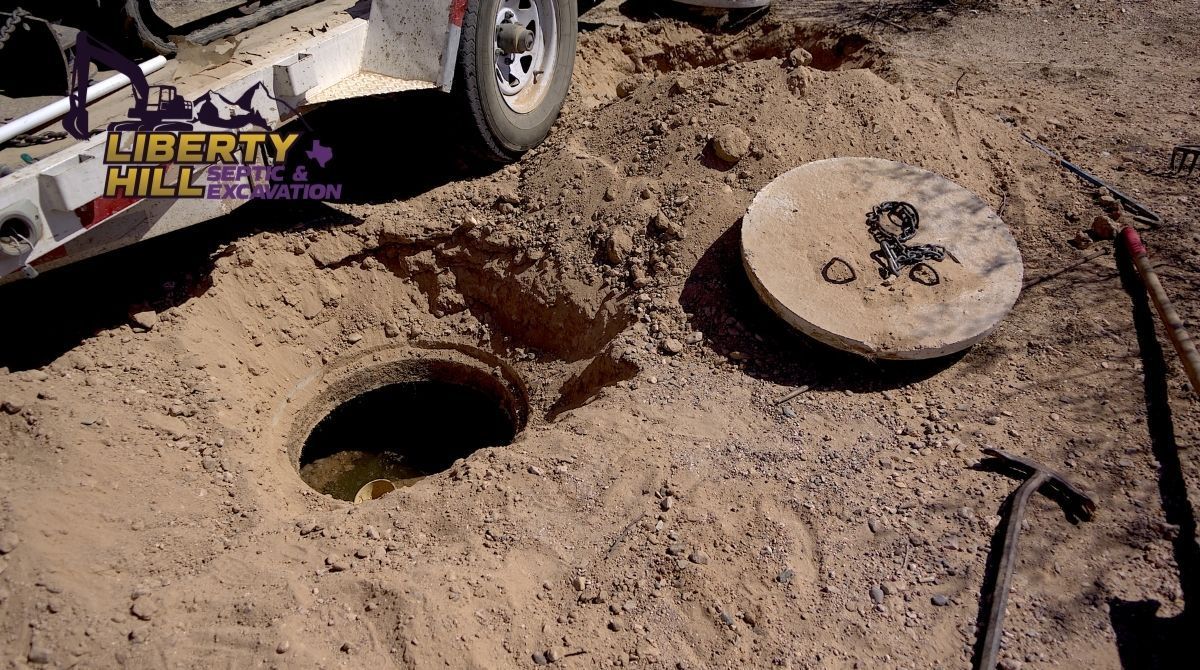
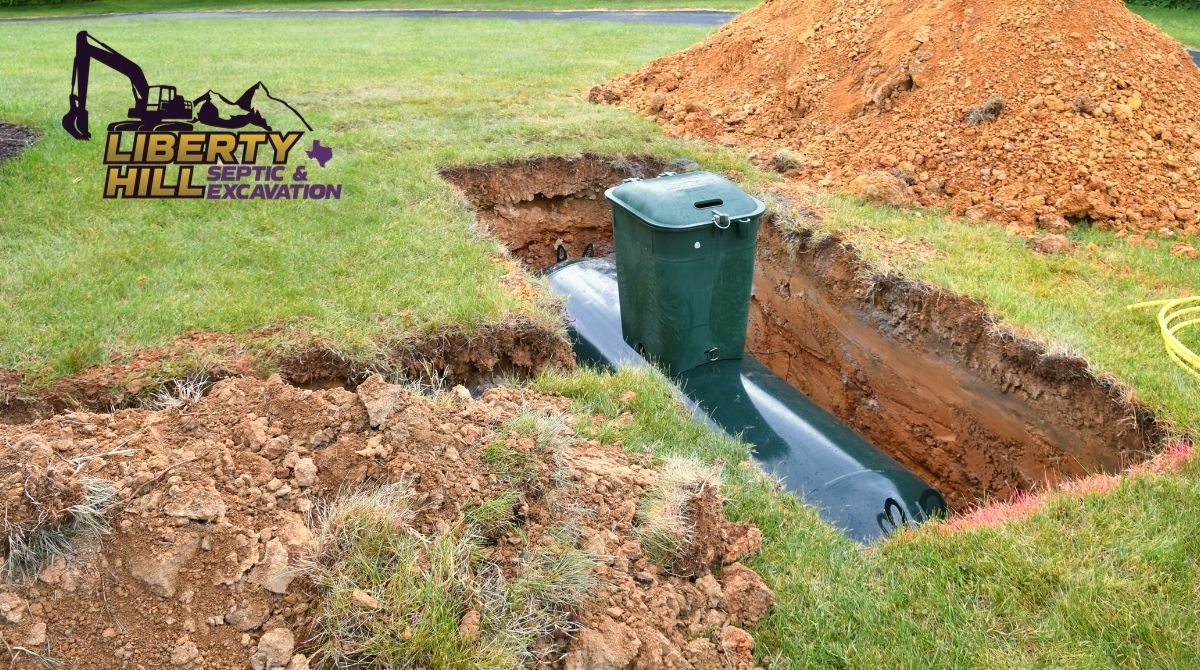
- Locating and uncovering the tank access lid(s) so the crew can reach the tank itself.
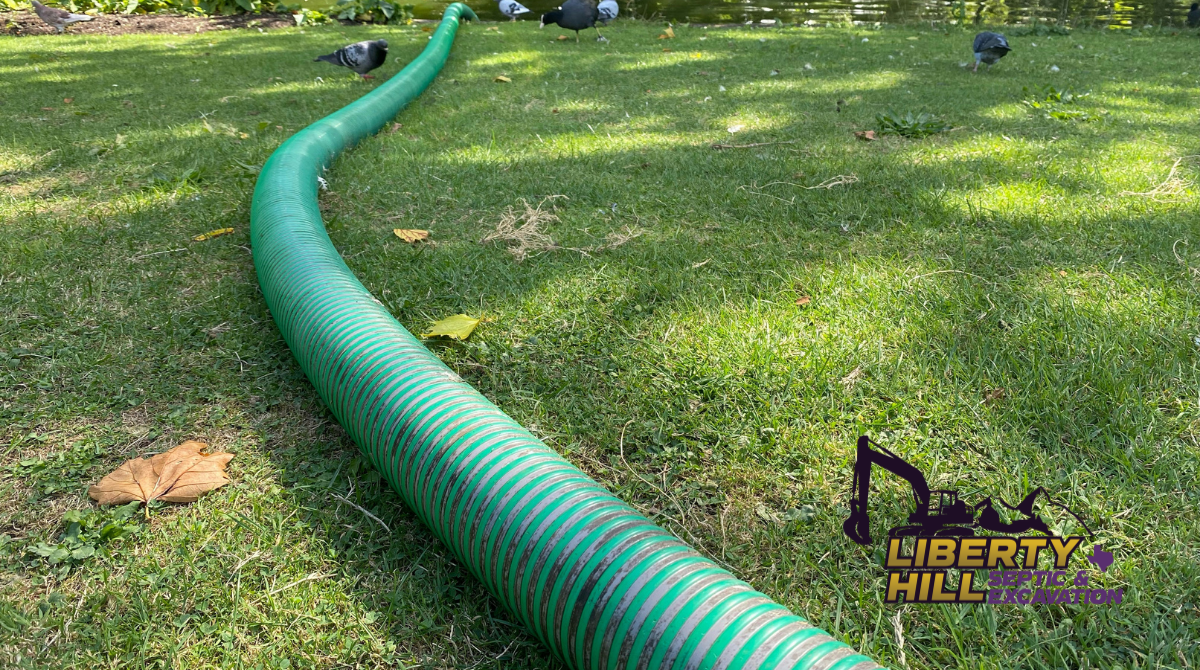
- Pumping out liquid effluent and settled solids using a vacuum truck.
- Breaking up and removing scum and sludge buildup on the tank interior.
- Checking the condition of the inlet and outlet baffles, since damaged baffles let solids escape into the drain field.
- A visual inspection of the tank structure for cracks or damage.
- Checking the drain field area for signs of saturation or surfacing effluent.
- Resealing the access lid(s) when the work is finished.
For homeowners who want the full picture of ongoing care beyond a single cleaning, our septic system maintenance page covers the broader maintenance schedule.
How Often Do You Need Septic Tank Cleaning Services?
The general rule of thumb is every three to five years, but the right interval depends on a few factors:
- Household size. More people means more wastewater and faster solids buildup.
- Tank size. Smaller or older tanks fill up faster relative to household use.
- Garbage disposal use. Frequent disposal use adds more solids to the tank than typical households produce.
- Water usage habits. Heavy laundry days, long showers, and running multiple water-using appliances at once all add to the load.
Homes with larger households or older, smaller tanks often do better on the shorter end of that range, closer to every three years rather than five.
Signs You Might Need Cleaning Sooner Than Scheduled
- Slow drains throughout the house, not just one fixture.
- A sewage odor near the tank or drain field.
- Standing water or soggy ground over the drain field.
- Gurgling sounds from toilets or drains.
If you're noticing any of these, our top signs your septic tank needs pumping before winter post covers this in more depth, and it's worth scheduling service sooner rather than waiting for the usual interval to come around.
What Happens If You Skip It
Skipping septic tank cleaning services doesn't just risk a bad smell, it risks the health of your entire drain field. When solids aren't removed regularly, they can eventually flow out of the tank and into the drain field itself, clogging the soil that's supposed to absorb wastewater. That kind of drain field damage is expensive to fix and, in some cases, isn't fully reversible. Regular cleaning is by far the cheaper option long-term. Our post on the benefits of regular septic system maintenance goes into more detail on why staying ahead of it pays off.
Choosing a Septic Tank Cleaning Service You Can Trust
Look for a provider who:
- Is licensed and insured for on-site sewage work in your area.
- Explains what they find during the inspection, not just what they pumped.
- Gives you a clear recommendation for your next service interval based on your household, not a generic timeline.
- Is upfront about pricing before the truck shows up.
Ready to get your system on a schedule that actually fits your household? The team at Liberty Hill Septic & Excavation proudly serves Liberty Hill, Leander, Georgetown, Burnet, and the greater Hill Country. Call us or schedule online at libertyhillseptic.com/Contact, we'll walk you through exactly what your system needs.
Frequently Asked Questions
How long does a septic tank cleaning service take?
Most standard cleanings take one to two hours, depending on tank accessibility and how much buildup has accumulated since the last service.
Is septic tank cleaning the same as septic pumping?
Not exactly. Pumping removes liquid and solid waste, while cleaning also removes stuck-on sludge and scum from the tank walls. Most professional visits include both.
What's the average cost of septic tank cleaning services?
Cost varies by tank size, accessibility, and how much buildup has accumulated, but most homeowners find it far less expensive than dealing with a failed drain field down the road.
Can I clean my own septic tank?
This isn't recommended. Septic tanks contain hazardous gases and require specialized equipment to pump and clean safely, this is a job for a licensed professional.
Will septic tank cleaning services fix a bad smell right away?
Usually, yes, if the odor is coming from tank buildup. If the smell persists after cleaning, it may point to a separate issue with the drain field or a baffle that needs repair.
Do I need to do anything to prepare for a cleaning appointment?
Just make sure the tank access lid area is reachable. Clear away any furniture, planters, or heavy vegetation on top of it before the crew arrives.