Why Standing Water in Your Yard Should Never Be Ignored
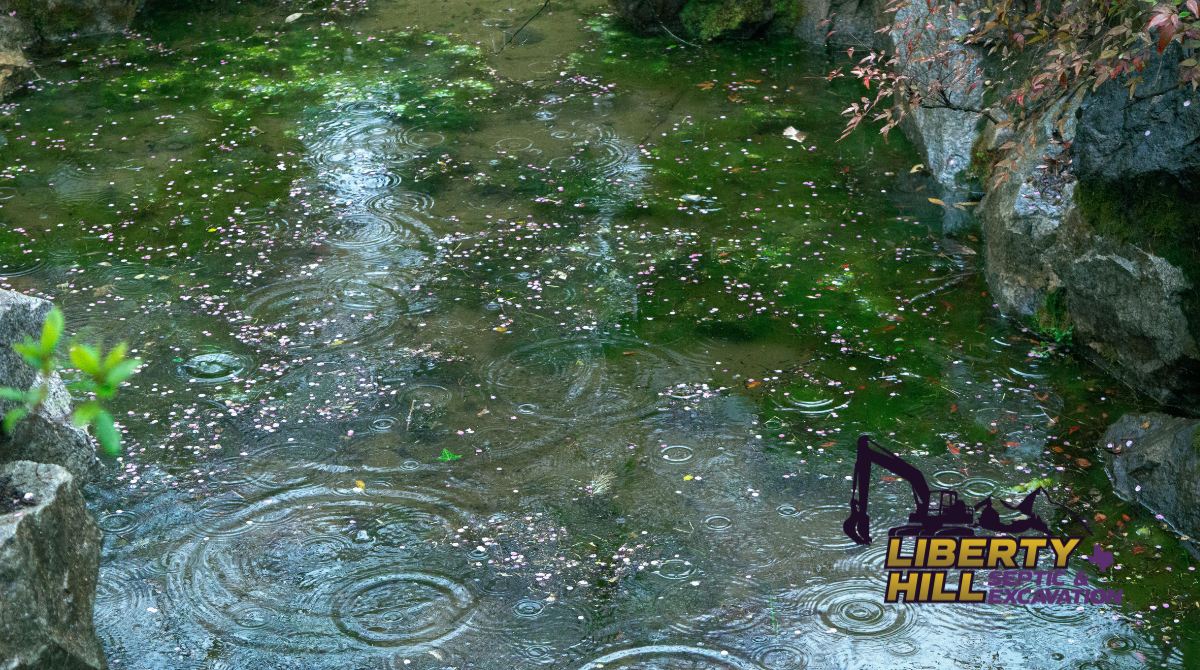
Seeing puddles hang around your yard long after the rain stops? It's more than just an eyesore especially here in Liberty Hill, where heavy rains and clay-rich soil can make drainage issues more common for homeowners. This standing water can be a sign of deeper issues that, if ignored, can cause real problems for your home and landscape. From killing your grass to potentially damaging your foundation, what seems like a minor inconvenience can quickly turn into a costly headache.
Key Takeaways
- Standing water can damage grass, attract pests, and indicate poor drainage
- Soil conditions, grading, and gutter issues are common causes
- Long-term exposure to moisture can weaken your home’s foundation
- There are both simple and advanced solutions depending on the issue
- Addressing drainage early prevents expensive repairs later
Why Standing Water Is More Than Just an Eyesore
It’s easy to assume puddles will dry up on their own but when they don’t, it means water isn’t draining properly. Over time, this excess moisture begins to affect everything around it.
Grass roots need oxygen to stay healthy. When soil stays waterlogged, those roots suffocate, leading to thinning patches, discoloration, and eventually dead areas in your lawn.
At the same time, standing water creates the perfect breeding ground for mosquitoes and other insects. What starts as a small puddle can quickly turn into a recurring pest problem, making your yard less enjoyable and potentially affecting your family’s health.
.
What Causes Water to Collect in Your Yard?
Water buildup usually points to an underlying issue with how your yard handles drainage. Some of the most common causes include:
Compacted or Clay Soil
Dense soil doesn’t absorb water well. Instead of soaking in, water sits on the surface and pools in low areas.
Poor Yard Grading
If your yard slopes toward your home even slightly water will naturally collect near your foundation instead of flowing away.
Gutter and Downspout Problems
Clogged gutters or short downspouts can dump large amounts of water right next to your home, overwhelming the soil’s ability to absorb it.
Hidden Issues
In some cases, underground plumbing leaks or irrigation problems can also contribute to constant wet spots, even when it hasn’t rained.
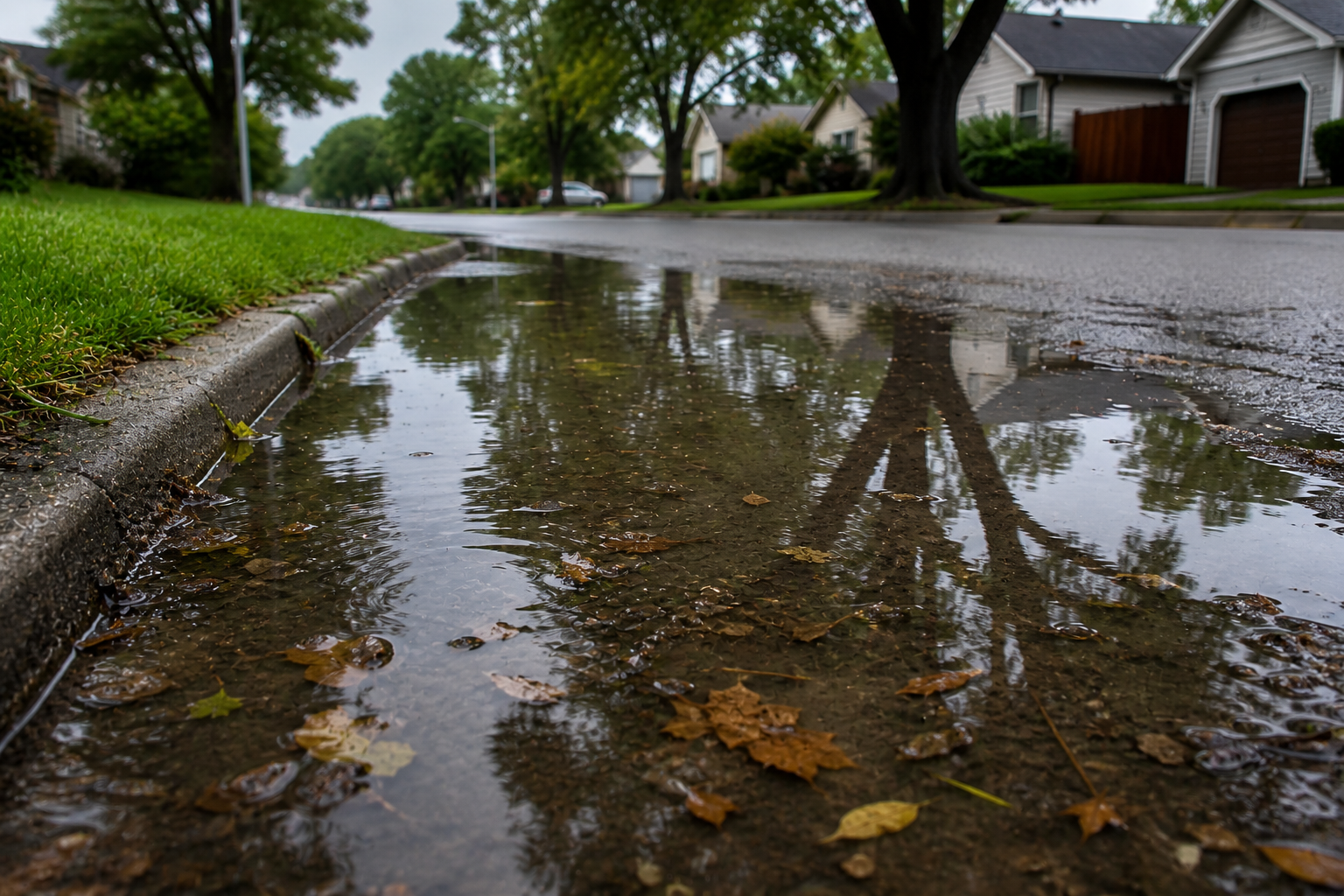
How Standing Water Damages Your Landscape
The longer water sits in your yard, the more damage it causes:
- Weakens grass and plants by depriving roots of oxygen
- Encourages pests like mosquitoes, flies, and slugs
- Promotes mold and mildew, especially on wood and siding
- Erodes soil, washing away nutrients and destabilizing surfaces
Over time, your yard can become uneven, unhealthy, and harder to maintain. Even landscaping features like patios, walkways, and garden beds can shift or deteriorate due to excess moisture.
The Hidden Threat to Your Home’s Foundation
One of the biggest risks of standing water is what it can do to your home’s structure.
When water pools around your foundation, it creates pressure against the walls—known as hydrostatic pressure. This pressure can force water into small cracks, leading to leaks in basements or crawl spaces.
Over time, this constant stress can cause:
- Foundation cracks
- Mold growth inside your home
- Structural shifting or settling
- Costly repairs that could have been avoided
Simply put, what starts in your yard doesn’t stay in your yard—it can impact your entire home.
Signs You Have a Drainage Problem
Not all drainage issues are obvious at first. Watch for these early warning signs:
- Puddles that remain for more than 24 hours after rain
- Soil that feels consistently soggy or spongy
- Water pooling near your home’s foundation
- Erosion or bare patches in your yard
- Increased mosquito activity
Catching these signs early can help you prevent larger, more expensive problems.
Effective Solutions for Yard Drainage
The right solution depends on the root cause of the problem. Some of the most effective options include:
Regrading the Yard
Adjusting the slope of your yard helps direct water away from your home naturally.
Installing Drainage Systems
French drains, catch basins, and underground piping systems can collect and redirect water efficiently.
Natural Drainage Solutions
Dry creek beds and swales not only manage water flow but also enhance your yard’s appearance.
Extending Downspouts
A simple fix that ensures water is carried far enough away from your foundation.
For persistent or complex issues, a professional assessment can identify the exact cause and provide a long-term solution.
Why Acting Early Matters
Ignoring standing water is one of those decisions that tends to get more expensive over time. What could have been a simple fix like adjusting grading or clearing gutters can turn into major repairs involving your foundation, landscaping, or drainage system.
Taking action early helps you:
- Protect your home’s structure
- Maintain a healthy lawn
- Avoid pest infestations
- Save money on long-term repairs
Final Thoughts
Standing water in your yard is never something to ignore. It’s often a clear signal that your drainage system isn’t working as it should. By addressing the issue early and choosing the right solution, you can protect both your landscape and your home for years to come.
Don’t let puddles linger in your yard longer than they should. What starts as a small drainage issue can quickly lead to bigger, more expensive problems.
If you’re dealing with standing water in your Liberty Hill yard, professional drainage solutions can make all the difference. From grading and drainage systems to long-term landscape protection, working with a local expert ensures your property stays dry, functional, and protected year-round. Contact us today for a free consultation and quote!
Frequently Asked Questions
Why is standing water in my yard a problem?
Standing water isn't just an eyesore; it can harm your grass by starving roots of oxygen, making them weak and prone to disease. It also creates a breeding ground for annoying mosquitoes and other bugs. Plus, if it sits near your house for too long, it can lead to serious damage to your foundation and basement.
What usually causes water to pool in my yard?
Several things can cause water to hang around. Often, it's because the ground isn't sloped correctly, directing water towards your house instead of away from it. Also, soil that's packed too tightly or has a lot of clay doesn't let water soak in easily. Clogged gutters and downspouts that dump water right next to your home are also big culprits.
Can standing water really damage my house's foundation?
Absolutely. When water sits against your foundation, it can push against the walls, a force called hydrostatic pressure. This constant moisture can weaken the concrete over time, leading to cracks and leaks. In severe cases, it can even cause the foundation to shift, which is a very expensive problem to fix.
What are the signs that my yard has bad drainage?
Look for puddles that don't disappear within a day or two after it rains. You might also see areas where the soil is always soggy or muddy, even when it hasn't rained recently. If water consistently pools near your house's foundation or you notice soil washing away (erosion) after rain, those are clear warnings.
How can I fix poor drainage in my yard?
There are a few ways to tackle drainage issues. Sometimes, simply reshaping the land so it slopes away from your house (regrading) is enough. Other times, you might need to install underground pipes called French drains to carry water away, or build structures like catch basins to collect it. Creating a dry creek bed can also help guide water naturally.
Is it better to fix drainage problems myself or hire a professional?
While some simple fixes like extending downspouts might be DIY projects, complex drainage issues often require professional help. Experts can accurately figure out why the water is pooling by looking at your soil type, the land's slope, and how water naturally flows. They can then design a solution that truly works for your specific property.
What happens if I just ignore drainage problems?
Ignoring drainage issues is like ignoring a small leak in your roof – it usually gets much worse and more expensive to fix later. You risk significant foundation damage, basement flooding, ruined landscaping, and even health problems from mold and pests. It's best to deal with it before it causes major damage.
How often should I check my yard's drainage system?
It's a good idea to give your drainage system a look-over at least twice a year, especially in the spring and fall. Make sure your gutters are clear of leaves and debris, and check that your downspouts are directing water away from your house. Also, keep an eye on the grading of your yard to ensure it hasn't shifted, which can happen over time.