What to Check Before Installing a New Septic System

January 9, 2026
Installing a new septic system in Central Texas isn’t just a construction project, it’s a long-term investment in your property’s safety, value, and usability. Whether you’re replacing a failing system or building on raw land, understanding your soil, site conditions, and local regulations is critical. At Liberty Hill Septic & Excavation, we help property owners get it right the first time, before excavation ever begins. Planning a septic install? Schedule a site evaluation with our team before you break ground.

Key Takeaways


  • Soil composition and drainage vary widely in Liberty Hill and surrounding areas, testing is non-negotiable.
  • Local permitting and setback rules must be followed to avoid delays or rework.
  • Septic systems must be sized for long-term use, not just current occupancy.
  • Professional excavation prevents drainage failures and costly repairs later.


Not sure where to start? Our team walks you through every step, from testing to final inspection.


Understanding Septic System Basics

What Is A Septic System?


A septic system is your property’s on-site wastewater solution, especially common in rural and semi-rural areas around Liberty Hill where municipal sewer access is limited. It safely treats household wastewater underground using a combination of a septic tank and soil filtration. Building outside city limits? We specialize in septic solutions for rural properties.


Key Components Of A Septic System


In Central Texas, proper installation of each septic component is essential due to rocky terrain and variable soil conditions. A typical system includes:

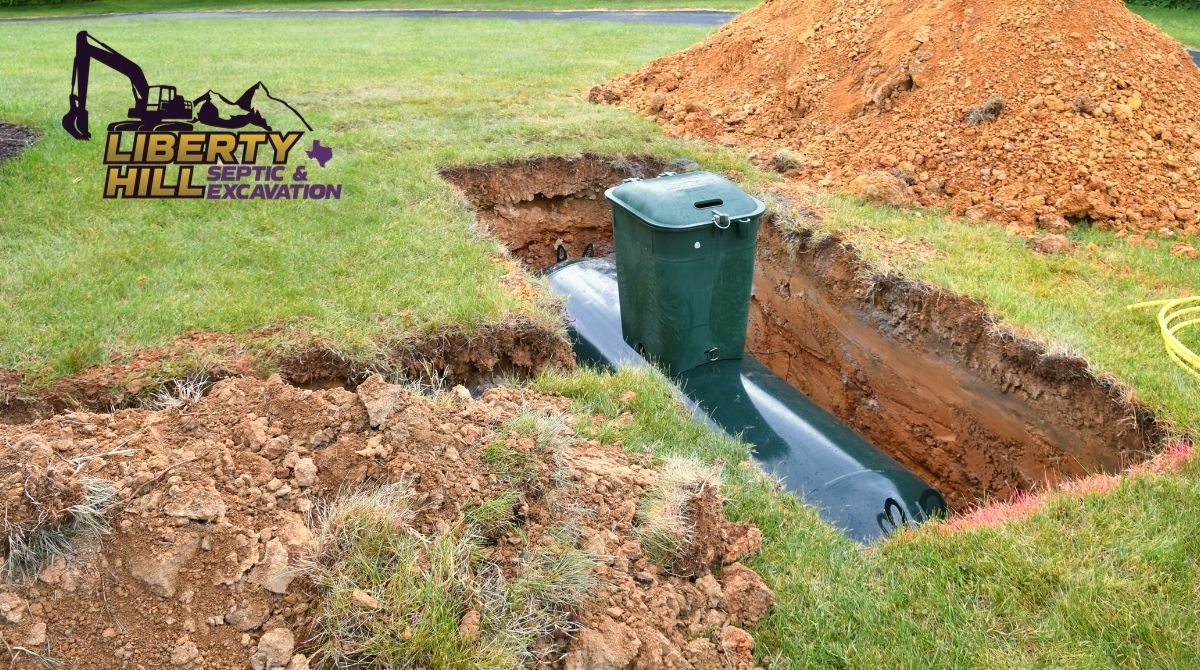
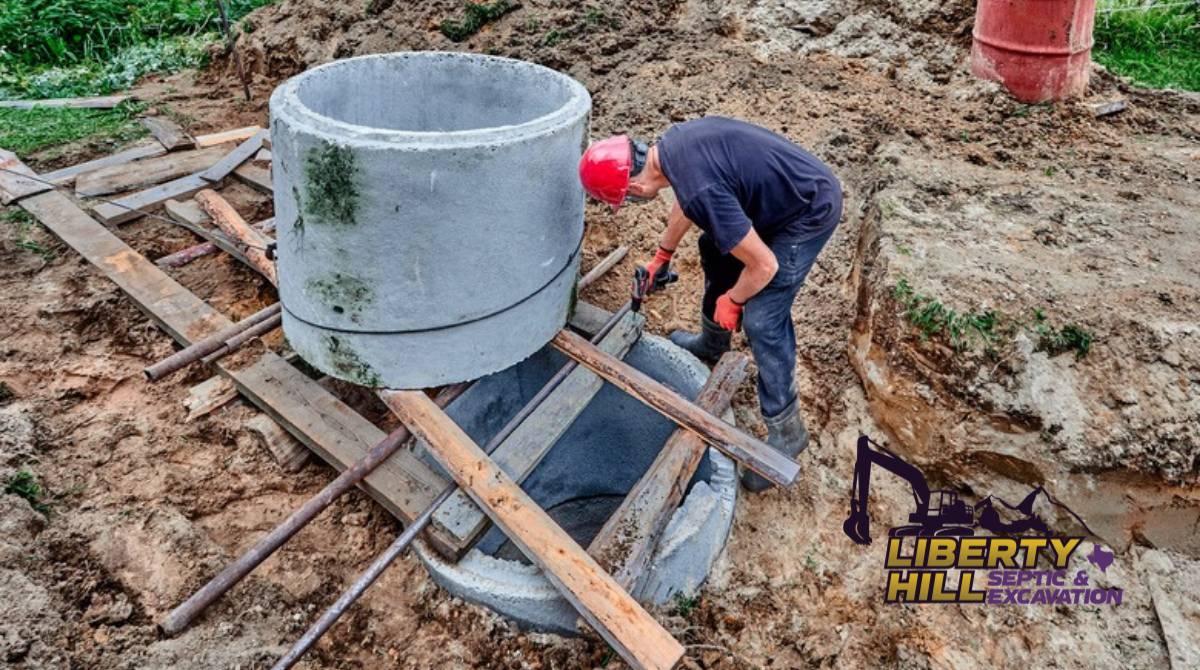
  • A buried septic tank that separates solids
  • An inlet pipe from the home
  • A professionally engineered drainfield designed to match your soil profile


Our excavation-first approach ensures every component is placed correctly from day one.


How Septic Systems Process Wastewater


So, how does all that dirty water get cleaned up? It’s a multi-step process. When you flush a toilet or run the dishwasher, the wastewater travels through pipes to the septic tank. Inside the tank, things get interesting. Bacteria, both the ones that come with the waste and naturally occurring ones, start breaking down the solid waste. This biological activity helps to separate the solids and liquids. The sludge settles at the bottom, and the scum floats on top. Periodically, this sludge and scum need to be pumped out by a professional. The partially treated liquid, called effluent, then flows out of the tank into the drainfield. This is where the natural filtration really kicks in. The effluent trickles through the soil, which acts like a filter. Microorganisms in the soil continue to break down any remaining contaminants. This process cleans the water enough so it can be safely absorbed back into the ground without harming the environment or contaminating nearby water sources. It’s a pretty neat system when it’s working correctly.


"The effectiveness of a septic system relies heavily on its design, installation, and ongoing maintenance. Proper functioning ensures that wastewater is treated effectively, protecting both your property and the surrounding environment from contamination. Regular inspections and timely pumping are not just recommendations; they are vital for the longevity and reliability of your entire system."


Site Evaluation For Septic Installation


Before you even think about digging, you've got to get a good handle on your property. This isn't just about picking a spot that looks good; it's about making sure the ground itself can handle the job. A proper site evaluation is the bedrock of a reliable septic system.  Avoid failed systems, book a professional site and soil evaluation before installation.


Assessing Soil Composition And Percolation


This is probably the most important part. You need to know how well your soil can absorb water. They call this the percolation rate, or 'perc rate' for short. If your soil is too dense, like heavy clay, water won't drain away properly, and that's a recipe for disaster. On the flip side, super sandy soil might drain too fast, not giving the soil enough time to filter the wastewater. A professional will do a perc test to figure this out. They dig holes, fill them with water, and time how long it takes for the water to disappear. The results tell them what kind of system will work best and how big the drainfield needs to be.


Here's a general idea of what different soil types might mean:

Soil Type Percolation Rate (minutes per inch) Typical System Needs
Sandy Loam 1-10 Conventional
Silt Loam 10-30 Conventional or Mound
Clay Loam 30-60 Mound or other advanced system
Clay 60+ Advanced treatment or alternative
"You can't just guess at this. The soil's ability to filter and treat wastewater is directly tied to its physical makeup. Getting this wrong means your system might fail, or worse, contaminate nearby water sources."


Evaluating Topography And Water Table Proximity


Sloped lots and seasonal groundwater changes are common in the Hill Country. These conditions directly impact system layout, trench depth, and long-term performance. Proper excavation and grading protect your drainfield from erosion and saturation. Have a challenging lot? We specialize in complex terrain solutions.


Determining The Optimal System Location


Once you've got the soil and topography info, you can start figuring out the best spot. You'll want to place the septic tank and drainfield away from:


  • Your home's foundation (usually at least 10 feet from the house).
  • Wells and other water sources (to prevent contamination).
  • Property lines and easements.
  • Areas where people gather or play.
  • Future building sites or driveways.


Your installer will use all the information gathered – soil tests, slope analysis, and local rules – to pinpoint the ideal location. It's a balancing act between what works technically and what's practical for your property. Making sure you have the right septic tank inspection checklist can help you think through these placement considerations.


Navigating Regulatory Compliance

Understanding Local Septic System Regulations


So, you're thinking about putting in a new septic system. That's a big step! Before you even start digging, you've got to get friendly with your local regulations. These rules are in place for good reasons – mostly to keep our water clean and our communities healthy. Different towns and counties have their own specific requirements, so what flies in one place might not be okay in another. It's not just about the type of system you can install, but also where you can put it on your property, how big it needs to be, and even what materials are approved. Ignoring these rules can lead to big headaches, like fines or having to rip out a system that wasn't approved. It’s worth the time to check with your local health department or environmental agency. They're the ones who can tell you exactly what you need to know for your specific location.


Obtaining Necessary Permits For Installation


Once you know the rules, the next step is getting the official go-ahead. This usually means applying for permits. Think of it like getting a building permit for a house addition, but for your underground plumbing. You'll likely need to submit plans for your proposed system, which might include details about the soil tests, the system design, and where it will be located on your property. Sometimes, you'll need a permit just to start the design process, and then another one for the actual construction. It can feel like a lot of paperwork, but it's a necessary part of the process. A licensed professional can really help smooth this out, making sure all the right documents are filed correctly and on time. This is where you can find help with septic system installation.


Ensuring Compliance With Health And Safety Standards


This whole process boils down to making sure your new septic system is safe for you, your neighbors, and the environment. Health and safety standards cover everything from preventing groundwater contamination to making sure the system doesn't pose a physical hazard. This includes things like proper venting to avoid dangerous gas buildup and ensuring the system is installed at a safe distance from wells and property lines. It’s also about making sure the system is built to last and won't fail, which could lead to sewage backing up or leaking into the environment. Following the guidelines means your system will work correctly and won't become a problem down the road.


"The goal of all these regulations and permits is to protect public health and the environment. A properly designed, permitted, and installed septic system is a safe and effective way to manage wastewater, especially in areas without access to public sewer systems."


Determining The Right Septic System Size


Figuring out the right size for your new septic system is a pretty big deal. It’s not just about picking a tank that looks good; it’s about making sure it can handle everything your household throws at it, day in and day out. Get it wrong, and you could be looking at all sorts of problems down the road, from backups to premature system failure. So, let's break down how to get this right.


Calculating Household Water Usage


First things first, you need a good handle on how much water your home actually uses. This isn't just a wild guess. You'll want to think about the number of people living in the house, how many bathrooms you have, and even things like how often you run the dishwasher or washing machine. Some folks even have garbage disposals, which add to the load. The more water that goes down the drain, the bigger the system needs to be. A good starting point is to look at your water bills from the past year to get an average daily usage. If you're building a new home, you'll have to estimate based on the number of bedrooms, as this is often a standard metric used by installers.


Matching Tank Size To Family Needs


Once you have an idea of your water usage, you can start matching that to tank size. Septic system sizing guidelines are usually based on the number of bedrooms in a home, not necessarily the number of people currently living there. Why bedrooms? Because a house's potential occupancy is often determined by its bedrooms, and you want the system to be ready for that. A general rule of thumb is that a three-bedroom house will need a different size tank than a five-bedroom house, even if only two people live in the larger one. It’s all about planning for the maximum expected load. You also need to consider the retention time – how long the wastewater stays in the tank. Longer retention allows solids to settle better and the system to work more effectively. You can find charts and guidelines online, but your installer will have the most accurate information based on local codes and best practices. For more on how to calculate this, check out how to calculate size.


The Impact Of System Size On Performance


So, what happens if you get the size wrong? If your tank is too small, it can get overloaded quickly. This means solids might not settle properly, and wastewater could flow into your drain field too soon, potentially overwhelming it. This can lead to clogs, backups into your house, and even system failure, which is a costly repair. On the other hand, a tank that's way too big isn't necessarily better. It might cost more upfront than you need to spend, and if it's too large for the typical flow, the wastewater might not stay in the tank long enough for proper treatment. It’s a balancing act. 

Number of Bedrooms Minimum tank Size (Gallons)
1-3 1000
4 1250
5 1500
6 1750


Remember, these are just general guidelines. Your local regulations and the specific type of system you choose can influence the final required size. Always consult with a qualified septic professional to get the most accurate sizing for your situation.


"Getting the size right from the start is one of the most important steps in ensuring your septic system works well for years to come. It prevents a lot of headaches and expensive fixes later on. Think of it as building a solid foundation for your home's wastewater management."


Budgeting For Septic Installation Costs


Putting in a new septic system isn't exactly a small purchase, and honestly, it can get pretty pricey. You've got to think about more than just the initial digging and tank placement. There are a bunch of things that add up, and if you don't plan right, you could end up with a much bigger bill than you expected.


Factors Influencing Septic System Expenses


The price tag for a septic system can swing quite a bit. It really depends on a few key things. First off, the size of the system matters. A bigger household or a system designed for more complex needs will naturally cost more. Then there's the type of system itself – a basic conventional setup is usually cheaper than something like an advanced treatment unit or a mound system, which might be needed if your soil isn't great at draining. The terrain on your property also plays a role; if it's rocky or sloped, it's going to take more work (and money) to get everything installed. Don't forget about the cost of permits and inspections, which are required by your local health department. These are non-negotiable steps that add to the overall expense.


Here's a rough idea of what can affect the cost:


  • System Size: Larger tanks and drainfields cost more.
  • System Type: Conventional, aerobic, mound, or drip systems have different price points.
  • Site Conditions: Difficult soil, steep slopes, or high water tables increase labor and material costs.
  • Permits and Fees: Local government charges for permits and inspections.
  • Excavation and Labor: The amount of digging and the complexity of the installation.
  • Materials: Quality of the tank, pipes, and other components.


Investing In Quality Components And Labor


It might be tempting to go with the cheapest quote you get, but when it comes to septic systems, that's usually not the best move. Think of this as a long-term investment in your home's infrastructure. Cheaper materials might fail sooner, leading to expensive repairs down the line. Similarly, hiring an inexperienced crew could result in an improperly installed system that causes problems from day one. It's really worth paying a bit more for a reputable installer who uses good quality parts. They'll know how to do the job right the first time, which saves you headaches and money in the long run. Plus, a well-built system that's properly installed will last much longer.


Planning For Long-Term Maintenance Expenses


Installing the system is just the beginning. You've got to budget for keeping it running smoothly for years to come. The biggest ongoing cost is usually pumping the septic tank. How often you need this depends on your household size and water usage, but most tanks need pumping every 2 to 5 years. It's not a huge expense each time, but it adds up. You should also set aside some money for potential repairs. Even with the best installation, things can break or wear out over time. Regular inspections are also a good idea to catch small issues before they become big, costly problems. Ignoring maintenance is a surefire way to shorten your system's lifespan and face unexpected bills.


"Don't forget to factor in the cost of regular maintenance. While the initial installation is a significant expense, neglecting routine pumping and inspections can lead to much larger repair bills and a shortened system lifespan. Planning for these ongoing costs is just as important as budgeting for the installation itself."


The Importance Of Professional Septic Installation


Look, putting in a new septic system isn't like assembling IKEA furniture. It's a pretty big deal, and honestly, trying to DIY this kind of thing is usually a recipe for disaster. You might save a few bucks upfront, but trust me, the headaches and extra costs down the road can be massive. Hiring a qualified professional is really the only sensible way to go.


Why Hiring An Expert Matters


Think about it: these systems deal with, well, everything that goes down your drains. They're complex, and they need to be installed just right to work properly and safely. Professionals know the ins and outs – the stuff you'd never even think about. They understand how different soil types behave, how the local weather might affect things, and what kind of system will actually work best for your specific property. It’s not just about digging a hole; it’s about designing and building something that will last for years without causing problems.


Benefits Of Experienced Installers


An experienced installer brings a ton of practical knowledge to the table. They've seen all sorts of properties and soil conditions, and they know how to handle unexpected issues that pop up during installation. This could be anything from hitting a big rock to dealing with a high water table. They also know the local rules and regulations inside and out, which is a huge relief. You won't have to spend hours deciphering confusing paperwork or worrying if you've missed a step. Plus, they usually have the right equipment and can get the job done much faster and more efficiently than if you tried to piece it together yourself.


Here’s a quick look at what you gain:


  • Proper Sizing: They calculate the exact size needed for your household, avoiding under- or over-sizing.
  • Correct Placement: They identify the best spot on your property, considering soil, slope, and water sources.
  • Regulatory Adherence: They handle permits and ensure the installation meets all local codes.
  • Quality Workmanship: They use the right techniques and materials for a durable system.


"Trying to cut corners on septic installation often leads to more expensive repairs later. It's better to invest in a professional job from the start to avoid costly failures and environmental issues."


Ensuring Technical And Regulatory Standards Are Met


This is where professionals really shine. They are up-to-date on all the technical specifications and legal requirements for septic systems in your area. This includes things like the depth of the tank, the type of pipe material, the size and layout of the drainfield, and how far it needs to be from wells or property lines. Getting these details wrong can lead to your system failing inspection, costing you time and money to fix. A good installer makes sure everything is done by the book, so you can have peace of mind knowing your system is safe, effective, and legal.


Planning For Future Septic System Maintenance

Establishing A Regular Maintenance Schedule


So, you've got a new septic system installed. That's great! But here's the thing: it's not exactly a 'set it and forget it' kind of deal. Think of it like owning a car; you wouldn't just drive it until it breaks down, right? Your septic system needs regular check-ups to keep it running smoothly for years to come. Setting up a routine maintenance plan from the get-go is key to avoiding costly headaches down the road. It’s about being proactive, not reactive.


Here’s a basic rundown of what that might look like:


  • Know Your System: First off, figure out what kind of system you have. Is it a standard tank and drainfield, or something more complex? This will influence what kind of maintenance it needs.
  • Locate Everything: Make sure you know exactly where your septic tank and drainfield are. Seriously, draw it out on a piece of paper, mark it in your yard if you can. You don't want to be digging around blindly if something goes wrong.
  • Keep Records: Jot down when you had the tank pumped, when filters were cleaned, and any inspections done. This history is super helpful for tracking performance and for future owners.


Understanding Required Septic Tank Pumping Frequency


This is probably the most common maintenance task people think of. How often do you need to pump your septic tank? Well, it really depends on a few things. The size of your tank is a big one, of course. But also, how many people are in your household and how much water you all use plays a huge role. A general rule of thumb is every 3 to 5 years for a typical family, but it can vary.


The Role Of Inspections In System Longevity


Beyond just pumping, regular inspections are super important. A qualified septic professional can spot potential issues before they become major failures. They'll check the tank for sludge buildup, look at the condition of the drainfield, and make sure everything is flowing as it should. Think of it as a doctor's visit for your septic system.


"These check-ups aren't just about fixing problems; they're about preventing them. A well-maintained system protects your property from sewage backups and prevents contamination of local groundwater. It's a small investment for a lot of peace of mind and a longer-lasting system."


Inspections can also help you understand if your system is keeping up with your household's needs. If you're noticing slow drains or gurgling sounds, it's definitely time for a professional to take a look. Staying on top of these inspections means your system is more likely to last its full lifespan, which can be 20-30 years or even longer with good care.


Considering Environmental Impact


When you're putting in a new septic system, it's not just about getting rid of your household waste. You've also got to think about what happens to that waste after it leaves your house and how it affects the world around you. A properly installed and maintained system is actually pretty good for the environment, treating wastewater naturally. But if things go wrong, or if it's not set up right from the start, it can cause some real problems.


Sustainable Septic System Practices


Thinking green with your septic system means looking at the whole picture. It starts with choosing a system that fits your property and doesn't overload the local environment. This often means using less water in your home to begin with. Simple things like fixing leaky faucets and only running the dishwasher or washing machine when they're full can make a big difference. Also, be mindful of what you flush down the toilet. Things like grease, coffee grounds, and harsh chemicals can mess with the bacteria that break down waste in your tank, making the whole system less effective and potentially harming the soil and water nearby.


  • Reduce water usage: Fix leaks, take shorter showers, and run full loads of laundry and dishes.
  • Be careful what you flush: Avoid pouring grease, oils, chemicals, or non-biodegradable items down drains or toilets.
  • Use septic-safe products: Opt for cleaners and detergents that are less harsh and won't kill beneficial bacteria.


Protecting Groundwater and Local Ecosystems


Your septic system is a barrier between your household waste and the groundwater that might supply your well or end up in local streams and lakes. If that barrier fails – maybe due to a leak in the tank or a problem with the drainfield – untreated wastewater can seep into the ground. This can contaminate drinking water sources with bacteria, viruses, and nitrates, which are bad for human health and can cause algae blooms in waterways, harming fish and other aquatic life. A well-functioning septic system is key to protecting these vital natural resources.


"The drainfield, also called a leach field, is where the wastewater from the tank gets filtered and treated by the soil. The soil acts like a natural filter, removing many of the harmful contaminants before the water reaches the groundwater. Making sure your drainfield is properly sized and located away from wells and water bodies is super important."


Eco-Friendly Product Choices For Septic Systems


When it comes to maintaining your septic system, you have choices that are better for the environment. Instead of using strong chemical drain cleaners that can kill the helpful bacteria in your septic tank, look for natural enzyme or bacteria-based treatments. These products help break down waste more effectively without harming the ecosystem inside your tank. Even the toilet paper you buy can make a difference; choose brands that break down easily. When it's time for repairs or upgrades, consider materials that are durable and have a lower environmental footprint. Sometimes, you can even find systems designed to treat wastewater more thoroughly, producing cleaner effluent.


Identifying Potential Installation Challenges


So, you're getting ready to install a new septic system. It sounds straightforward enough, right? Dig a hole, put in the tank, bury the pipes. But hold on a minute, it's not always that simple. There are definitely some bumps in the road you might run into during installation, and knowing about them beforehand can save you a lot of headaches.


Addressing Difficult Terrain and Soil Conditions


This is a big one. Not all land is created equal, and your property might have some quirks that make installing a septic system tricky. We're talking about steep slopes, rocky ground, or areas that are just plain waterlogged. These conditions can make excavation a real pain and might even mean you can't use a standard system. For instance, if your soil doesn't drain well – we call that a low percolation rate – you might need a more complex system, like a sand mound or a chamber system, instead of a conventional one. This is where a good site evaluation really pays off, helping to figure out what kind of system will actually work on your land. It's not just about digging; it's about working with your land. Sometimes, you might need to bring in extra fill dirt or do some serious grading to make the site suitable. It's all part of making sure your system functions properly for years to come.


Troubleshooting Common Septic System Issues


Even when everything looks good on paper, things can go wrong during the installation process. Maybe the excavator hits an unexpected underground obstacle, or perhaps the weather turns foul and delays work for days. Sometimes, the delivered tank might have a slight defect, or the pipe fittings just don't seem to connect right. These aren't usually deal-breakers, but they require quick thinking and problem-solving. Having an experienced installer on hand is key here, as they've likely seen and fixed similar issues before. They know when to call in a specialist or when a simple adjustment will do the trick. It’s also why having a solid contract with your installer is a good idea, outlining what happens if unexpected problems arise.


Preventing Future Problems Through Proper Planning


Lots of installation headaches can be avoided with good planning upfront. This means really understanding your property's layout and any potential issues before the first shovel hits the ground. Think about where future landscaping might go, or if there are large trees nearby whose roots could eventually cause trouble. It's also about making sure the system is accessible for maintenance later on. You don't want your septic tank buried under a new patio or a massive oak tree. A well-thought-out plan, often guided by professionals who know the ins and outs of septic systems, can prevent a whole host of future headaches. This includes getting all the necessary permits and understanding local rules, which can sometimes add complexity but are vital for a legal and safe installation. If you're unsure about the process, looking into septic system installation services can provide the guidance you need.


"When planning your septic system installation, it's easy to get caught up in the immediate tasks. However, taking a moment to consider the long-term implications of site challenges and potential installation hiccups can save significant time and money down the road. Thinking ahead about terrain, soil, and even future property use helps ensure your system is not only installed correctly but also built to last and be easily maintained."


Understanding Septic System Records

So, you're getting a new septic system, or maybe you just bought a place with one already. Either way, knowing about the system's history and where everything is located is a pretty big deal. It’s not the most exciting topic, I know, but trust me, it can save you a lot of headaches down the road. Think of it like keeping the receipts for a big purchase – you need them if something goes wrong or if you ever decide to sell.


Locating Your Septic Tank and Drainfield


First things first, you need to know where your septic tank and drainfield actually are. This isn't always obvious, especially if the system is older or the yard has changed over time. The best way to find this out is usually by checking your original permit paperwork. Your local health department is the go-to place for this. They should have records that show the approximate locations. If you're buying a house, the seller should provide this information, and it's a good idea to get it in writing. Sometimes, a septic contractor can help you pinpoint the exact spots, especially if you have risers installed on the tank. Knowing these locations is key for maintenance and in case of an emergency.


Accessing Permit and Maintenance History


Beyond just knowing the location, you'll want to get your hands on any past maintenance records. This includes when the tank was last pumped, any repairs that have been done, and even inspection reports. If you're buying a home, ask the seller about the system's age, pumping frequency, and if there have been any signs of problems. This history gives you a picture of how well the system has been cared for. For newer systems, you might also get an "as-built" diagram, which is basically a map showing exactly how it was installed. This can be super helpful if you ever need to do work on it. You can often get copies of permits and related documents from your local health department, which is a good resource for understanding your system's past. If you're thinking about selling your property down the line, having these records ready can be a big plus for potential buyers. Check property records for details. Let us handle the paperwork while you focus on your build.


The Significance of an 'As-Built' Diagram


An 'as-built' diagram is more than just a fancy drawing; it's a detailed snapshot of your septic system exactly as it was installed. This is especially important for more complex systems or if any modifications were made during construction. It shows the precise layout of pipes, the tank, and the drainfield, including depths and distances. This kind of detail is invaluable if a repair or upgrade is ever needed. It helps technicians understand the existing setup without having to guess, which can save time and money. If your system has a pump or other special features, the 'as-built' diagram should also note the initial setup details. It's a critical document for long-term system management and troubleshooting.


Knowing about your septic system's history is super important. It's like having a report card for your home's waste system. Understanding these records helps you keep it running smoothly and avoid costly problems down the road. For expert help with your septic system, visit our website today!


Wrapping It Up


A successful septic installation starts with proper planning, professional excavation, and local expertise. From soil testing to final inspection, Liberty Hill Septic & Excavation helps property owners build reliable systems designed for Central Texas conditions. Ready to get started? Contact Liberty Hill Septic & Excavation today to schedule your site evaluation.


Frequently Asked Questions


What exactly is a septic system and how does it work?


Think of a septic system as your home's personal wastewater treatment plant. It's a buried system that takes all the yucky stuff from your toilets, sinks, and showers, cleans it up, and safely sends the cleaner water back into the ground. It usually has a big tank and a drainfield where the water gets filtered by the soil.


Why is checking the soil so important before installing a septic system?


The soil is like the filter for your septic system. Some soils are great at soaking up water quickly, while others are slow. We need to make sure the soil can handle the wastewater without getting waterlogged or causing problems. This is often checked with something called a 'percolation test' or 'perc test'.


Do I really need permits to install a septic system?


Yes, absolutely! Installing a septic system isn't something you can just do without permission. Local governments have rules to make sure these systems are safe for everyone and don't harm the environment. You'll need to get permits to make sure everything is done correctly and legally.


How do I know what size septic tank I need?


The size of your septic tank depends on how much water your household uses. Think about how many people live in your home, how many bathrooms you have, and how often you do laundry. A professional can help figure out the best size to handle your family's needs without overflowing.


What are the main costs involved in putting in a new septic system?


Putting in a septic system is a big job and costs can add up. You'll pay for the system itself, the digging, the installation labor, and any permits. It's smart to budget for quality work and parts, as this usually saves money in the long run. Don't forget to think about future upkeep costs too!


Why can't I just hire anyone to install my septic system?


Septic systems are complex and need to be installed just right. Hiring someone experienced and licensed means they know all the technical details and local rules. They can handle tricky spots on your property and make sure your system works well for years without problems.


How often does a septic tank need to be cleaned out?


Most septic tanks need to be pumped out every 2 to 3 years. This removes the sludge that builds up. How often you need it done can depend on how much water you use and the size of your tank. Regular cleaning is super important to keep the system working well.


What's the best way to find out where my septic tank is located?


It’s really important to know where your septic tank and drainfield are! You can often find this information on your property's original permit or by contacting your local health department. Sometimes, a septic professional can help you locate it too. Marking the spot in your yard is a good idea!

December 8, 2025
Texas homeowners, as the year comes to a close, now is the time to protect the systems that keep your property running, especially what’s underground. At Liberty Hill Septic & Excavation, we know that a little preventative care goes a long way in avoiding costly septic failures, drainage issues, and land damage. Need help preparing your property before winter? Schedule your end-of-year septic or excavation check with Liberty Hill Septic & Excavation. Key Takeaways Getting your home ready for colder weather now can prevent costly repairs later. Protecting pipes and sealing drafts are simple steps that make a big difference. Checking on your home's comfort and safety systems, like fans, generators, and dryer vents, ensures everything is working right and reduces risks. Don't forget the outside. Inspecting your roof, gutters, and trees helps prevent winter damage and keeps your property looking good. A good look at your home's plumbing and electrical systems can catch small issues before they become major problems. Staying on top of year-end home maintenance can positively impact your property tax assessment, potentially saving you money. Prepare Your Home For Cooler Temperatures As the Texas heat starts to mellow out, it's the perfect time to get your home ready for the cooler months ahead. Ignoring these tasks now could mean dealing with bigger headaches, and frankly, higher bills, when the temperature really drops. Let's get ahead of it. Protect Exposed Pipes From Freezing In Texas, sudden freezes can put real stress on plumbing and septic lines. Protecting exposed pipes helps prevent backups and septic failures, issues we see every winter across the Hill Country. Whether it’s insulating your lines or assessing vulnerable areas, we can ensure your system is ready for cold snaps. Seal Drafts Around Windows And Doors Drafts don’t just affect comfort, they impact how your home’s systems perform. Poorly sealed areas can cause moisture issues that affect septic drain fields and soil absorption. Tightening up the envelope of your home protects more than just your energy bill. Not sure whether drafts are affecting your septic system’s drainage? Ask us during your property inspection. Service Your Water Heater For Efficiency A water heater running inefficiently can send excessive flow to your septic system. Maintaining it prevents unnecessary strain and keeps your system working as designed. For homeowners using aerobic systems, reduced water load makes a noticeable difference. Before that happens, it's a good idea to give it a little attention. If you haven't had it serviced in a while, consider calling a professional. They can check it over, flush out any sediment that might have built up (which can make it less efficient), and make sure it's running safely. A well-maintained water heater uses less energy, which is good for your wallet and the environment. Inspect Attic Ventilation For Moisture Proper attic ventilation helps regulate moisture levels around your home, important when you rely on septic and drainage systems that function best in balanced soil conditions. Moisture issues can affect grading, runoff, and even surface drainage. Need help correcting drainage or grading around your property? Our excavation team is here year-round. Ensure Indoor Comfort And Safety As the weather starts to shift, it's a good time to focus on making sure your home is a cozy and safe haven. Nobody wants to deal with a chilly draft when they're just trying to relax, or worse, a safety issue popping up unexpectedly. Let's get your indoor spaces dialed in. Reverse Ceiling Fans For Warm Air Circulation Did you know your ceiling fans can actually help keep you warmer in the winter? Most fans have a switch that lets you reverse the blade direction. When you set them to spin clockwise at a low speed, they push the warm air that rises to the ceiling back down into the room. It's a simple trick that can make a noticeable difference in how comfortable your living space feels, and it might even help you save a bit on heating costs. Just remember to check the fan's manual if you're not sure how to flip the switch. Test Generators For Power Outage Readiness Texas weather can be unpredictable, and power outages can happen. If you have a generator, now's the time to make sure it's ready to go. You don't want to find out it's not working when the lights go out. Here’s a quick rundown on testing: Fuel Check: Ensure you have the correct type and amount of fuel. Store it safely and check its age; fuel can go bad. Start-Up: Run the generator for about 15-30 minutes. Listen for any unusual noises and check that it's producing power. Load Test: If possible, connect a small appliance or two to simulate a light load. Maintenance: Check the oil level and look for any obvious signs of wear or damage. Consider a professional check-up if it's been a while. Having a reliable generator means you can keep essential appliances running and stay comfortable if the power grid goes down. It's a smart piece of home preparedness. Clean Dryer Vents To Prevent Fire Hazards This one is super important for safety. Lint buildup in your dryer vent is a major fire risk, especially as we start using our dryers more frequently in cooler weather. It's not just about efficiency; it's about preventing a serious accident. Disconnect: Unplug your dryer and disconnect the vent hose from the back of the unit. Clean the Vent: Use a specialized dryer vent cleaning brush or a vacuum cleaner with a hose attachment to remove lint from the ductwork. Make sure to get as far into the vent as you can. Clean the Dryer: Don't forget to clean out the lint trap housing and the area behind it. Reconnect: Reattach the vent hose securely and plug the dryer back in. "A clogged dryer vent doesn't just pose a fire risk; it also makes your dryer work harder, using more energy and taking longer to dry clothes. Regular cleaning is a win-win." Check Insulation Levels For Energy Efficiency Good insulation is key to keeping your home warm without running up a huge energy bill. Think of it like a blanket for your house. If your insulation is old, settled, or just not enough, you're essentially letting warm air escape and cold air creep in. Visual Inspection: Head up to your attic (if you have one) and take a look. Can you see the joists easily? That's a sign you might need more insulation. Look for any damp spots or signs of pests, too. Type and Depth: Different types of insulation have different R-values (which measures resistance to heat flow). The recommended R-value varies by climate zone, but generally, more is better for Texas winters. Professional Assessment: If you're unsure about your insulation levels or suspect issues, consider getting an energy audit. Professionals can pinpoint exactly where you're losing heat and recommend the best solutions. Address Exterior Maintenance Needs As the cooler weather rolls in, it's time to give your home's exterior some attention. This isn't just about curb appeal; it's about protecting your biggest investment from the elements and preventing costly repairs down the line. Think of it as giving your house a good, solid hug before winter really sets in. Inspect Roof and Gutters For Winter Damage Clogged gutters don’t just damage roofs, they redirect water toward septic fields, driveways, and foundations. Managing water flow is critical for proper drainage. If you notice runoff pooling on your land, Liberty Hill Septic & Excavation can assess whether regrading or drainage solutions are needed. Ask about our customized drainage and regrading solutions for rural Texas properties. Trim Trees and Shrubs Near the House Overgrown branches can be a real problem. They can rub against your roof or siding, causing damage, and they can also provide a convenient highway for pests to get into your home. Plus, heavy limbs can break in strong winds or ice, potentially falling on your house. Take some time to trim back any trees and shrubs that are getting too close for comfort. This also helps improve airflow around your home. Clean Exterior Surfaces and Fences Give your siding, decks, and fences a good cleaning. Algae, mold, and dirt can build up over time, especially in shaded areas. Cleaning these surfaces not only makes your home look better but also helps prevent rot and decay, extending their lifespan. A good power wash can work wonders, just be sure to use the right settings for your materials. Check Outdoor Lighting Fixtures With the days getting shorter, good outdoor lighting is more important than ever. Check all your exterior light fixtures to make sure they're working correctly. Replace any burnt-out bulbs and make sure the fixtures are securely attached. This is also a good time to clean any grime or cobwebs off the fixtures themselves. Proper lighting can deter potential intruders and make your property safer to navigate after dark. Review Your Home's Systems
November 20, 2025
Checking your property for issues with water and soil erosion might sound like a big job, but it doesn't have to be. Think of it like giving your property a regular check-up. At Liberty Hill Septic & Excavation, we specialize in identifying small issues before they become expensive problems. This guide breaks down what to look for, from sediment barriers to drainage systems that keep your property safe. Catching issues early, like a tear in a silt fence or water pooling where it shouldn’t, can save you time and money later on. Let’s keep your property in top condition with regular checks. Contact Liberty Hill Septic & Excavation to schedule your inspection today. Key Takeaways Regular checks are important for spotting soil erosion and water problems before they get serious. At Liberty Hill Septic & Excavation, we know how crucial it is to maintain your property's stability and value. By ensuring your land stays protected, you can avoid costly repairs and potential damage to your foundation. Schedule your inspection now with Liberty Hill Septic & Excavation and let us help preserve the value of your property. Look closely at sediment barriers like silt fences for tears or gaps, and check fiber logs for damage. Make sure they're catching dirt, not letting it escape. Drainage systems need attention too. Check for blockages in pipes and drains, and see if ponds or ditches are working right without signs of erosion. Healthy plants help hold soil. Inspect vegetation for density and health, and check if mats or coverings are in place and secure. Keep records of what you find, including photos and weather. Fix issues quickly, starting with the most urgent ones, and document all repairs. Understanding Erosion Control Inspections Why Regular Inspections Are Crucial Think of erosion control inspections like a regular check-up for your property's defenses against soil loss and water damage. It’s not just about ticking boxes; it’s about catching problems before they turn into big, expensive headaches. Regular checks help make sure your property stays put and doesn't wash away. When you let things slide, you risk not only damage to your land but also potential fines if you're in an area with regulations. Plus, keeping sediment on your property means cleaner water downstream, which is a win for everyone. Here’s why you really don't want to skip these: Preventative Care: Spotting a small tear in a silt fence or buildup behind a barrier is easier and cheaper to fix than dealing with a collapsed structure or a massive sediment spill. Trust Liberty Hill Septic & Excavation to provide preventative inspections that ensure your property stays intact and your erosion control system remains in top condition. Reach out to Liberty Hill Septic & Excavation today for a thorough erosion check-up! Regulatory Compliance: Many areas have rules about erosion control, especially if you have construction or significant landscaping. Inspections show you're being responsible and can help you avoid penalties. Environmental Protection: Soil erosion can carry pollutants into waterways. Keeping your control measures working means you're doing your part to protect local ecosystems. Property Preservation: Serious erosion can undermine foundations, damage landscaping, and generally make your property look neglected and less valuable. "It's best to inspect after any significant weather event, like heavy rain or strong winds, and also on a set schedule, maybe weekly or bi-weekly, depending on the site's activity and risk level." Identifying Early Signs of Soil Erosion Spotting erosion when it's just starting is key. You don't need to be a soil scientist to notice the warning signs. Look for areas where the ground looks disturbed or where water seems to be carving out little paths. Sometimes, you'll see bare patches of soil that weren't there before, especially on slopes or near drainage areas. It might look like small rills or gullies forming, or maybe just a general thinning of the grass or ground cover. If you notice sediment collecting where it shouldn't be, like at the bottom of a slope or near a storm drain, that's another clue that soil is on the move. Impact of Erosion on Property Value Let's be honest, nobody wants to buy a property that looks like it's slowly sliding into the sea. Visible signs of erosion, like gullies, bare patches, or damaged retaining walls, can make a property seem unstable and poorly maintained. This can significantly lower its market appeal and, consequently, its price. Buyers might see the cost of repairs as a major deterrent. Furthermore, if erosion is impacting drainage and causing water to pool, that's another red flag that can lead to foundation issues or mold, further decreasing the property's worth. It's not just about the land itself; it's about the integrity of everything built on it. Pre-Inspection Preparation and Planning Alright, before you even step foot on the property to check for erosion or water problems, you got to do a little homework. Think of it like getting ready for a big test – you wouldn't just walk in cold, right? Proper prep makes the whole inspection go way smoother and helps you spot things you might otherwise miss. Reviewing Site Plans and Documentation First things first, get your hands on the site plans and any related documents. The Erosion and Sediment Control (ESC) plan is your best friend here. It shows you where all the planned controls are supposed to be and how they're meant to work. It's like a map for the whole system. You'll also want to look at the general site layout, paying attention to things like property lines, how the land slopes, where water might naturally flow, and any existing structures or underground stuff like pipes. Site Plans: These show the physical layout, contours, and features. ESC Plan: Details the specific erosion and sediment control measures. Construction Schedule: Helps understand the current phase of work and potential risks. Permits and Approvals: Confirms what measures are required. It's a good idea to have the approved ESC plan right there on-site during the inspection. This way, if any questions pop up, you can refer to it immediately. Identifying Priority Areas for Inspection Once you've got the plans, start thinking about where the real trouble spots are likely to be. You don't want to waste time poking around areas that are perfectly stable. Focus on the places that are naturally more vulnerable. This usually means: Steep slopes where water can pick up speed. Areas where soil has been recently disturbed or is bare. Around water bodies or drainage channels. Downhill from construction activity. Anywhere you see signs of water concentrating or flowing quickly. Think about the path water will take across the property. Where does it collect? Where does it rush off? Those are your priority zones. Also, keep an eye on areas where controls might have been damaged or are missing altogether. Gathering Essential Tools and Safety Gear Don't show up empty-handed! Having the right gear makes the job easier and safer. You'll want: Measuring Tape: For noting the size of issues like rills or sediment buildup. Camera or Smartphone: To document everything you find. Take clear pictures! Notebook and Pen/Pencil: For jotting down notes, even if you're using digital tools. Safety Vest and Boots: Especially if you're on an active site. You need to be seen and protected. Gloves: For handling any materials or just keeping your hands clean. Waders (if needed): If you anticipate needing to check areas with standing water. "Being prepared isn't just about having the right equipment; it's about having the right mindset. Knowing what you're looking for and where to look saves a ton of time and makes your inspection much more effective. It's about being systematic and thorough from the get-go." So, before you start walking around, take a good hour or so to review those plans and get your gear together. It might seem like a drag, but trust me, it makes all the difference when you're out there trying to figure out what's going on with the water and soil. Inspecting Sediment Barriers and Perimeter Controls
October 11, 2025
When winter is on the way, the last thing you want is a septic emergency. Cold weather can make any septic tank problem worse, and getting a pro out to your place isn’t always easy with snow and ice on the ground. That’s why it’s a good idea to pay attention to signs that your system needs septic tank pumping before the temperatures drop. If you catch these issues early, you can avoid a lot of stress and mess during the colder months. Here are some warning signs to watch for. Key Takeaways If your sinks, tubs, or toilets are draining slower than usual, your septic tank might be getting full. Gurgling noises coming from your pipes or drains often mean your septic system is struggling. Bad smells inside or outside your home can signal it's time for septic tank pumping. Sewage backups or standing water in your yard are big red flags that shouldn't be ignored. Keeping track of your last septic service and watching for frost on the tank area can help you avoid winter problems. Slow Drains When you notice water just sitting there in your sink, slowly creeping down the drain, it's more than a minor annoyance—it's a warning flag for your septic tank. Slow drains throughout your house usually mean your septic system is starting to struggle and can't keep up . The problem shows up first in places you use every day, like kitchen sinks, the bathtub, or even the laundry room. If only one drain is slow, it might be a simple clog. But if all your drains—from sinks to showers—seem slow, there's a good chance your septic tank is too full or your system has a blockage. Here are some telltale signs to watch for: Showers and tubs take ages to empty, leaving a pool of water behind. Sinks gurgle or bubble loudly while draining. Flushing the toilet causes water to burble up in unexpected spots, like the bath drain. The washing machine kicks off, and suddenly drains elsewhere move sluggishly. "When multiple drains in your home all seem slow, it's often your septic system asking for help before bigger, messier problems show up. Regular pumping—especially before winter hits—can save you from backups and costly repairs." If you're starting to notice that your drains aren't doing their job, it's best not to ignore it or pour harsh chemicals down the pipes. Those quick fixes can actually do more harm than good. Instead, think about calling a septic professional for an inspection before the cold weather sets in. Gurgling Sounds Ever notice your pipes making odd gurgling noises when you flush or run water? That sound isn’t just your house settling or the dog knocking something over—it could mean your septic tank is almost full. Gurgling pipes are one of the first red flags of a septic system that’s struggling to keep up. When air gets trapped in your plumbing, usually because waste and water can’t flow smoothly, those bubbles fight their way up and make that gurgling sound. Sometimes you’ll hear it coming from the toilet right after you flush, other times it’s from your sink or even the shower drain. A few common causes for gurgling noises include: Overfilled septic tank restricting proper waste flow Blockages within the pipes leading to trapped air Buildup of solids that slow down system drainage "If you hear persistent gurgling, don’t ignore it. Even if everything else in your house seems to be working fine, these sounds usually mean your system is feeling overloaded. Waiting too long can turn a minor annoyance into a gross backup that’s much harder and more expensive to fix." So, if your house starts sounding more like a coffee pot that never stops percolating, it might be time to call in a professional—and before winter hits is always better than after. Unpleasant Odors If you’re picking up whiffs of sewage or musty smells—either indoors or out in the yard—it’s not something to ignore. Consistent, bad odors can mean your septic tank is overdue for a pump-out. Sometimes you’ll notice these smells hanging near the bathroom, kitchen, basement drains, or even out around the area above your tank. These nasty scents aren’t just unpleasant—they’re often the first warning that your system is struggling to process waste as it should. Here’s how those smells might show up: Near sinks or bathroom drains, you might get a rotten egg or sewage smell. In the yard, especially over the septic field, there’s often a sharp, sour odor. The basement or lower levels of your house can sometimes trap smells if drains aren’t vented right. You might think a quick cleaning will get rid of them, but stubborn odors that keep coming back are a major red flag. The issue can be anything from a simple full tank, to a blocked or broken pipe, to the beginnings of a system backup. "Even if everything else seems fine, don’t wait if the smell sticks around for more than a day or two. A stinky yard or house can quickly turn into a much bigger problem with your septic system." Some homeowners in this situation have also reported experiencing strong sewage-like odors near plumbing fixtures and basement drains, which is a signal of potential backup risks according to early warning signs of septic tank trouble. If you’re getting even mild odors and it’s been a couple of years since your last septic tank pumping, save yourself a much bigger headache later. Schedule a professional inspection before winter hits hard—these cooler months only make septic problems trickier to fix. Sewage Backups Few things make you panic as quickly as seeing wastewater coming back up into your tub or sinks. Sewage backups are one of the clearest warnings that your septic tank needs attention, fast. Town water users might roll their eyes, but living with a septic system means you’ve got to watch for certain issues. Why do these backups start? Usually, a full tank or saturated drain field causes waste to stop flowing where it should, and instead, it finds its way back inside your house. Here’s what to look for: Water or waste rising in toilets after you flush Backed up water in bathtubs or showers (especially after using the washing machine) Persistent need to plunge or clear drains If this happens, don’t just mop it up and hope it’s a one-time thing. Septic backups quickly lead to hazardous health conditions and can wreck floors, walls, and anything the dirty water touches. "If you start to notice sewage in places it shouldn’t be, shut off your water and call a pro as soon as possible. Don’t wait around – the longer you put it off, the bigger the repair bill is likely to become." You can find more helpful info about typical signs of septic trouble — including backups, slow drains, or unpleasant smells — in this self-explanatory guide on common signs your septic system needs professional attention . Taking care of this problem quickly will make your fall and winter so much easier. Standing Water If you start seeing puddles or soggy patches of ground above your septic tank or near the drain field—even when it hasn’t rained much—don’t ignore it. Standing water in these spots often means your septic system isn’t able to handle what’s coming in, so waste liquid is leaking upward instead of filtering down where it should. That’s a major sign your tank may be overflowing or blocked up. Here’s how you know it’s not just last night’s rain: Standing water appears during dry weather, not just after storms The water has a bad smell, sometimes like rotten eggs or sewage Grass in those areas is strangely lush and bright compared to the rest of your yard Walking on that ground feels spongy, uneven, or unusually soft Other factors can play a role, like a burst lawn sprinkler or extremely wet seasons, but if these puddles line up with your septic area, that’s a red flag. Don’t just chalk the wet spot up to something else—address it fast. "If the ground around your septic system is constantly muddy or wet, plan to call a septic service. Waiting can lead to backups that put your whole home at risk." Lush Grass Over Drain Field Ever noticed that one patch of grass in your yard that stays greener and fuller than all the others, even when you haven’t watered it much? This could be a strong hint your septic tank is overdue for pumping. When septic systems hit their limit, liquid waste sometimes seeps into the ground near the drain field. Grass over the area gets an extra dose of nutrients—mostly from the wastewater—which causes it to flourish unevenly compared to the rest of your lawn. Here’s what makes a too-lush drain field a red flag: Grass in the drain field zone appears brighter, thicker, or grows faster than other lawn areas. Patches of lush growth don’t match your watering or rainfall routine. The soil might seem softer, damp, or even soggy, sometimes even in dry weather. "If this keeps happening, don’t just chalk it up to luck. It’s your septic system’s way of warning you before bigger issues show up inside your home or in your yard." A quick tip: Don’t plant anything but shallow-rooted grass on or near your drain field to avoid root damage. If you notice these signs sticking around after dry spells, call in a septic pro. Catching the problem early can save you from bigger headaches and a mess when winter rolls around. Frequent Blockages If you’re spending way too much time wrestling with plungers or reaching for the phone to call a plumber, your septic system might be trying to tell you something. Frequent blockages are more than just an inconvenience—they’re a big flag that your tank needs attention. When solids build up to the point that they can’t flow out properly, clogs can happen over and over, even after you think you’ve resolved the issue. What starts as a stubborn toilet or slow tub drain can quickly spread throughout the whole house if you let it go too long. Here are a few signs that recurring clogs may point to a full septic tank: Multiple drains (sinks, toilets, tubs) clog at the same time Clogs return quickly after being cleared Water backs up in strange places (like shower drains when you flush the toilet) You might find yourself asking: why is this happening again? The answer could be that your septic tank is overdue for service. Solid waste takes up space in the tank, and when there’s no room left, wastewater can’t move as it should. This leads to more than just blocked pipes—it can eventually cause sewer backups, which are way worse. "If you’re dealing with repeated blockages, it’s not just bad luck. Don’t wait for a messy or expensive surprise. Scheduling septic pumping before the ground freezes will save you a lot of headaches down the line." Overflow in Showers If you step into your shower and see dirty water that's not draining, this could be a warning that your septic tank is overloaded. Shower overflow is more than just annoying—it's often one of the biggest red flags that something’s off with your septic system. When a tank gets too full or the drain field becomes clogged or flooded, wastewater doesn’t have anywhere to go. So, it takes the path of least resistance—straight back up into your drains. Here’s what can cause and signal this problem: Water backing up in showers after doing laundry or running the dishwasher. Unusual gurgling noises coming from the bathroom pipes when you flush. Slow draining bathtubs paired with pooling water that just sits around. "Overflow in the shower usually doesn’t happen out of nowhere. It’s your plumbing’s way of telling you the tank is overdue for maintenance, or the system is under stress from weather or usage." Don’t just block the drain and hope for the best. If you spot overflow, stop using water if possible and call a septic professional. Acting early can keep a small issue from turning into a serious mess—especially with winter on the way. Frost on Septic Area Spotting frost on your septic area, especially when nearby ground remains bare, can mean more than just chilly weather—it's signaling a bigger issue. A frosty patch over your septic tank or drain field often points to insufficient insulation or even a system that isn’t functioning as it should. When the ground over your septic system freezes before the rest of your yard, you might be dealing with one of these: The soil above your tank or pipes is too thin, letting cold air in. Grass has been cut too short or removed, losing natural insulation. Soil compacted by vehicles or equipment, which traps cold air and causes more freezing. Underlying problems with slow water movement that increases chances of frozen pipes. It's worth noting that inadequate insulation increases the risk of frozen pipes , and when this happens, wastewater can't flow out, leading to potential backups inside the house. "If you notice frost building up only in the septic area, don’t ignore it—this could mean your whole system is at the edge of freezing up, which is even more likely if you spot slow drainage or strange gurgling sounds in your plumbing." Here’s what you should do if you find frost over your septic system: Leave the snow be; snow acts as a protective blanket. Add a layer of loose, organic mulch (like straw or leaves) for extra insulation. Avoid compacting the area—keep vehicles and heavy items away. Consider growing the grass longer next season for more insulation. Schedule a septic inspection and pump out before freeze sets in, especially if winter’s going to be harsh. Don’t fall into the trap of thinking “no smell, no problem.” Frost in this spot is an early warning. Taking action before things freeze solid can keep you from a winter plumbing nightmare—and a costly repair bill. When frost forms over your septic area, it can cause a lot of trouble for your whole system. It’s important to keep the ground above your septic tank clear and warm when the weather gets cold. If you notice frost building up, visit our website to learn more about how to protect your septic system and avoid expensive repairs. Conclusion Getting your septic tank pumped before winter isn’t just another chore to add to your list—it’s a smart move that can save you a lot of trouble down the road. When you spot slow drains, weird smells, or soggy patches in your yard, don’t ignore them. These are your system’s way of waving a red flag. Cold weather only makes things tougher, especially if you end up dealing with frozen pipes or a full tank when it’s snowing outside. So, if you haven’t had your tank checked or pumped in a while, now’s the time. A little maintenance now means you won’t have to deal with messy, expensive surprises later. Stay ahead of the game and your septic system will thank you all winter long. Frequently Asked Questions How often should I pump my septic tank? Most septic tanks should be pumped every 1 to 3 years. The exact timing depends on the size of your tank, how many people live in your house, and how much water you use. What are the first signs my septic tank is getting full? Early signs include slow drains, gurgling noises from your pipes, and bad smells around your home or yard. If you notice any of these, it’s a good idea to check your septic system. Can slow drains mean there’s a problem with my septic system? Yes. If your sinks, tubs, or toilets are draining slowly, it could mean your septic tank is full or there’s a blockage in your system. Why do I smell bad odors near my septic tank or in my house? Bad smells can happen when your septic tank is full, or if there’s a leak or problem with your system. It’s a sign you should have your tank checked and possibly pumped. Is standing water in my yard a sign of septic trouble? Yes. Puddles or soggy spots near your septic tank or drain field, especially if it hasn’t rained, can mean your septic system needs attention. Can a full septic tank cause sewage to back up into my house? Yes. If your tank is too full, sewage can back up into sinks, toilets, showers, or tubs. This is a serious problem and you should call a professional right away. Does winter weather affect my septic system? Cold weather can make septic problems worse. Frozen ground or snow can make it harder to fix issues, so it’s best to pump your tank before winter starts. How can I keep track of when my septic tank was last pumped? Keep a record or calendar note of the last pumping date. Some people write it on a sticker near their breaker box or keep it with other home maintenance records. 
September 5, 2025
Fall is here, and with it comes a change in weather that can bring soggy conditions and potential flooding. It's that time of year when we all need to think about our property's drainage. Ignoring it can lead to a lot of headaches, like water in the basement or even structural damage. Luckily, a little bit of preparation goes a long way. This guide will walk you through what you need to do to get your home or business ready for the wetter months ahead, focusing on how proper drainage maintenance near me can save you from a lot of trouble. Key Takeaways Keep gutters and downspouts clear of leaves and debris to allow rainwater to flow away from your home's foundation. Check your sewer lines for tree root intrusion, as these can cause blockages and pipe damage. Test your sump and ejector pumps to make sure they are working correctly before heavy rains hit. Seal any cracks or gaps in your foundation and ensure your landscape grading directs water away from your house. Consider professional services like sewer rodding for a thorough cleaning and to prevent future backups. Proactive Property Drainage Maintenance As the leaves start to turn and the air gets a bit crisper, it's time to think about getting our properties ready for the wetter months ahead. This isn't just about aesthetics; it's about preventing some serious headaches down the road, like basement flooding or foundation damage. Being proactive with your drainage system now can save you a lot of trouble and money later. Clearing Gutters and Downspouts of Debris This is probably the most common thing people think of, and for good reason. Those gutters and downspouts are the first line of defense against rainwater. When they get clogged with leaves, twigs, and whatever else the wind blows in, water has nowhere to go but over the edge. This can lead to water pooling right next to your foundation, which is never a good thing. Make sure to clear them out regularly, especially after big storms or windy days. It’s a simple task, but it makes a huge difference. Inspecting Sewer Lines for Root Intrusion Tree roots are sneaky. They’re always looking for water, and your sewer line is a pretty attractive source. Over time, small roots can work their way into pipe cracks, causing blockages or even breaking the pipes. If you have mature trees near your sewer line, it’s a good idea to get them checked out. Sometimes, you can have roots professionally removed before they cause major damage. It’s a bit more involved than cleaning gutters, but it’s worth it to avoid a sewage backup. Testing Sump and Eject or Pump Functionality If your home has a basement or a crawl space that tends to get damp, you likely have a sump pump. These pumps are designed to kick on when water levels rise, pumping the water away from your house. Ejector pumps handle sewage in homes without gravity-fed systems. It’s really important to test these pumps before the heavy rains start. You can usually do this by pouring a bucket of water into the sump pit to see if the pump activates and discharges the water. If you’re not comfortable doing this yourself, or if you suspect an issue, call a professional. A failed pump during a heavy rain can lead to a flooded basement pretty quickly. Addressing Potential Water Intrusion Points As the weather shifts, it's smart to think about where water might try to sneak into your home. Little openings you might not even notice can become big problems when the rain really starts coming down. Taking a look at these common entry points now can save you a lot of hassle later. Sealing Cracks and Gaps in Foundations Your foundation is like the first line of defense against water. Over time, tiny cracks can appear, especially where the foundation meets the ground or around windows and doors. These aren't just cosmetic; they're highways for water. You'll want to inspect your foundation walls, both inside and out if possible, for any signs of damage. Filling these gaps with a good quality, waterproof sealant is a straightforward way to stop water before it even gets a chance to seep in. It’s a bit like patching up a leaky boat – you want to do it before you hit rough waters. This is a key step in prevent water intrusion into your basement. Installing Window Well Covers for Basements Basement windows are often set into window wells, which are basically little pits dug around the window to allow light in. When it rains heavily, these wells can fill up with water like a bathtub. If the window itself isn't perfectly sealed, or if the well drains poorly, that water can easily find its way inside. Installing sturdy covers over these wells is a simple fix. They act like lids, keeping the rain and debris out, so the well doesn't become a mini-swimming pool right next to your basement. Ensuring Proper Landscape Grading Away From Home Think about how water flows naturally – it always goes downhill. Your yard should be graded so that the ground slopes away from your house, not towards it. If the land slopes towards your foundation, any rain that falls will naturally collect around the base of your home. This constant moisture can weaken the foundation over time and increase the chances of water finding its way inside. You might need to add soil to low spots near your house or even regrade certain areas to make sure water has a clear path to drain away from your property. It’s all about guiding the water where you want it to go, and that’s definitely not into your basement. Comprehensive Sewer and Drain System Care When fall rolls around, it's time to give your home's sewer and drain systems some serious attention. These aren't the parts of your house you think about every day, but they're super important, especially when the heavy rains start. Neglecting them can lead to some really unpleasant surprises, like backups and basement flooding. Scheduling Professional Sewer Rodding Services Think of sewer rodding as a deep clean for your main sewer line. Over time, stuff like grease, hair, and even tree roots can build up in there, slowing down or completely blocking the flow of wastewater. Professional sewer rodding uses specialized equipment to break up and clear out these blockages. It's a proactive step that can prevent major backups and costly emergency repairs later on. For older homes or properties with mature trees nearby, this service is particularly beneficial. It's like giving your sewer line a fresh start before the wet season really kicks in. Checking and Sealing Exposed Pipe Leaks Take a look at any pipes that are exposed, maybe in your basement or crawl space. As the weather changes, temperature fluctuations can make small leaks worse. Even a tiny drip can turn into a bigger problem, potentially causing water damage to your home's structure or leading to mold growth. It's a good idea to inspect these pipes for any signs of moisture, corrosion, or drips. If you find any, sealing them up with the right materials can save you a lot of headaches. It’s a simple fix that makes a big difference in keeping your system working right. Maintaining Basement Floor Drains Basement floor drains are often overlooked, but they're a key part of your home's drainage setup, especially for preventing basement flooding. These drains are designed to handle any minor water accumulation, like from a leaky washing machine or a small spill. However, they can easily get clogged with dirt, lint, or other debris. Regularly checking and cleaning these drains is a must. You can often clear minor clogs yourself with a drain snake or by pouring hot water down the drain. If you notice persistent slow draining or blockages, it might be time to call in a professional to make sure they're clear and functioning as they should. Understanding Seasonal Flooding Risks Fall brings a unique set of challenges when it comes to keeping your property dry. It's not just about the leaves piling up; it's about how the weather patterns of the season can really test your home's drainage systems. We often think of flooding as a spring thaw problem, but autumn can be just as, if not more, problematic. Impact of Heavy Fall Rainfall on Drainage Autumn is notorious for its downpours. These aren't usually the quick, intense thunderstorms of summer, but rather longer, steadier rain events. When the ground is already saturated from earlier rains, or if the soil has become less permeable due to compaction or dry spells, it can't absorb much more water. This leads to increased surface runoff. If your gutters are clogged with leaves and debris, or if your downspouts are blocked, this runoff has nowhere to go but towards your foundation. Even a small amount of pooling water around your foundation can eventually find its way into basements or crawl spaces, causing damage over time. Risks Associated with Snowmelt Runoff While we typically associate snowmelt with spring, early or unseasonable snowfalls can happen in the fall. If this snow melts before the ground freezes solid, the resulting runoff behaves much like heavy rainfall. If drainage systems aren't clear and functioning properly, this meltwater can also contribute to water accumulation around your home. The risk is amplified if the ground is already damp from fall rains, as it reduces the soil's capacity to absorb the meltwater. Consequences of Clogged Drainage Systems Clogged gutters, downspouts, and yard drains are the primary culprits when it comes to fall flooding. When these systems can't move water away from your property efficiently, several things can happen. Water can back up into your home, especially through basement windows or low-lying entry points. It can also saturate the soil around your foundation, increasing hydrostatic pressure, which can lead to cracks or leaks. In freezing temperatures, this trapped water can expand, causing further damage to pipes and structures. Ignoring these blockages is a direct invitation for water damage. "It's easy to think of fall as just a transition period, but the increased rainfall and potential for early snow can create a perfect storm for drainage issues if you're not prepared. Keeping those gutters clean and ensuring your yard drains are clear is more important now than you might think." Commercial Property Fall Preparedness As the leaves start to turn and the air gets crisp, it's time for commercial property owners to think about fall prep. This isn't just about aesthetics; it's about keeping your business running smoothly and avoiding costly damage from autumn rains and the eventual thaw. Landscaping Cleanup for Drainage Management Think of your fall landscaping cleanup as a crucial step in your property's defense against water issues. Piles of leaves and debris aren't just unsightly; they can clog up gutters, downspouts, and drainage systems. When water can't flow freely, it starts to pool. This standing water can lead to foundation problems, damage to landscaping, and even create slippery hazards. Leaf and Debris Removal: Make sure all lawns, planting beds, and hard surfaces like walkways and parking lots are cleared of fallen leaves and other yard waste. This is the first line of defense against clogged drains. Gutter and Downspout Clearing: Clogged gutters can cause water to overflow right next to your building's foundation. Regularly cleaning these out is a must. Pruning: Trim back shrubs and trees. Overgrown branches can shed more leaves and debris into your drainage systems, and they can also pose a risk in windy conditions. Ensuring Safety on Walkways and Parking Lots Wet leaves and accumulated moisture can turn paved surfaces into slip-and-slide hazards. This is a big liability for any business. Clear Walkways: Keep all pedestrian paths, entrances, and stairs free of leaves, mud, and standing water. Parking Lot Maintenance: Ensure parking lots and driveways are clear. Standing water in low spots can freeze when temperatures drop, creating ice patches. Drainage Grates: Check that all drainage grates in paved areas are clear of debris so water can drain away efficiently. Enhancing Property Appeal Through Maintenance Beyond just preventing problems, a well-maintained property in the fall makes a great impression. It shows clients, customers, and employees that you care about your business and the environment they interact with. A clean, well-kept property can positively influence perceptions and contribute to a professional image. It's about presenting your business in the best possible light as the seasons change. Mitigating Basement Flooding Vulnerabilities Basements are often the first place water wants to go when the weather turns wet, and fall's unpredictable rain can really test your home's defenses. It's not just about heavy downpours, either; even a slow, steady rain can find its way in if your basement isn't properly protected. Taking steps now can save you a lot of hassle and expense later. Protecting Basements from Water Damage Think of your basement as the lowest point of your home, making it naturally vulnerable. Water can seep in through tiny cracks you might not even notice, or it can come in through larger openings if things aren't sealed up tight. Keeping water out starts with a good look at your foundation and any openings. Foundation Check: Walk around your basement walls, both inside and out if possible. Look for any hairline cracks or larger gaps, especially where the wall meets the floor or around pipes that go through the foundation. Seal It Up: Use a good quality waterproof sealant or hydraulic cement to fill any cracks or holes you find. Pay extra attention to areas around basement windows and any utility entry points. Window Wells: Basement windows often have wells that can fill up with water. Installing sturdy covers for these wells is a smart move. They keep rain and debris out, preventing water from pooling right next to your windows. Steps to Take During Imminent Flooding If you know a big storm is coming and flooding seems likely, there are a few things you can do to prepare your basement. Power Down: If water starts to rise, shut off the electricity to your basement at the breaker box. This is a critical safety step to avoid electrical shock. Move Valuables: Get anything important or valuable off the floor. Move boxes, furniture, and electronics to higher ground, like upper floors or sturdy shelves. Check Sump Pump: If you have a sump pump, make sure it's working. If you don't have one, or if you're worried about a power outage, consider having a battery backup system installed. "It's easy to think that a little bit of water won't hurt, but even a few inches can cause significant damage to flooring, drywall, and stored items. Plus, dampness can lead to mold and mildew problems down the line, which are tough to get rid of." Post-Flood Cleanup and Disinfection If the worst happens and your basement does flood, acting fast is key. The longer water sits, the more damage it causes and the higher the risk of mold. Remove Water: Get standing water out as quickly as possible. A wet/dry vacuum or your sump pump can help with this. For larger floods, you might need to call in professionals. Dry Everything Out: Use fans and dehumidifiers to dry out the space completely. Open windows if the weather permits, but keep humidity levels down with a dehumidifier. Clean and Sanitize: Once dry, clean all affected surfaces with a disinfectant. This helps kill any bacteria or mold spores that might have been introduced by the floodwater. Don't forget to clean any items that got wet, too.
August 15, 2025
TL;DR: Texas summer storms bring heavy downpours and flash flooding. Installing proper drainage—like French drains, grading, and well‑maintained gutters—is vital to protect your property, foundation, landscaping, and septic system. Liberty Hill Septic & Excavation offers expert site assessment and customized solutions to keep your home resilient. 1. Texas Summer Storms: The Challenge Summer in Texas often brings sudden, intense rainstorms capable of dumping several inches of rain within an hour. Combined with flat or gently sloped terrain common in Central Texas, water doesn't always drain naturally—this leads to pooling, soil erosion, and overwhelmed septic drain fields. The result? Homeowners face flooded yards, basement seepage, and failed septic systems. In short, inadequate drainage before the storm season can lead to costly and hazardous damage. 2. Risks of Poor Drainage a) Foundation and Structural Damage Standing water can shift soil and apply hydrostatic pressure to foundations, causing cracks or uneven settlement. b) Landscape Erosion and Soil Loss Heavy runoff can wash away topsoil, damage plant beds, and uproot sensitive landscaping, reducing property curb appeal and functionality. c) Septic System Overload When drain fields become saturated, they lose capacity to absorb wastewater. This often leads to sewage backing up into your home or surfacing in your yard—an expensive and health‑hazardous situation. d) Waterborne Hazards Stagnant flooding creates breeding grounds for mosquitoes and potentially harmful bacteria, especially if septic systems fail. 3. Drainage Solutions to Implement Now • Proper Grading and Soil Management Ensure your landscaping slopes gently (typically 2–3%) away from the house and drain field. This encourages water flow outwards, not into your foundation or septic area. • Gutter Maintenance and Downspout Extensions Clean gutters regularly to prevent blockages. Extend downspouts at least 5–10 feet from structures—this directs water away from the foundation and septic area efficiently. • French Drains and Trench Drains These systems intercept and carry surface water away using perforated pipes and gravel‑filled trenches. They’re highly effective in redirecting water from vulnerable zones. • Catch Basins and Surface Drains Ideal for flat areas where runoff pools; catch basins collect surface water and channel it into underground pipes that exit the property. • Dry Wells and Recharge Pits Incorporating dry wells allows excess water to infiltrate deep into the ground away from structures, reducing surface pooling and helping recharge the groundwater. 4. Why Choose Liberty Hill Septic & Excavation When you’re aligning drainage needs with septic health, partnered expertise is essential. Liberty Hill Septic & Excavation offers: Comprehensive Site Evaluation: They assess soil, topography, drainage pathways, and septic field condition to pinpoint vulnerabilities. Customized Drainage Plans: They design integrated systems—combining grading, French drains, catch basins, and more—to suit your property’s unique challenges. Septic‑Safe Installation: Their excavation techniques consider septic integrity, avoiding damage to pipes and drain fields while installing new drainage infrastructure. Local Experience: Based in Central Texas, they understand local soil types (like clay) and storm patterns—critical factors when designing effective drainage. 5. Maintenance Tips to Stay Ready Before storm season, inspect gutters and clear debris. Check grading around your home and adjust soil levels if pooling appears near the foundation. Test your drainage systems by running a hose to see if water disperses and drains properly. Annually schedule a professional evaluation—especially for your septic and drainage systems—to catch early signs of failure or inefficiency. 6. Additional Resources Learn more about managing drainage: the Texas A&M AgriLife Extension offers practical advice on landscape grading and erosion control—find their guidance here . As Texas summers approach, proactive drainage planning isn't just smart—it’s essential. Preventing water from pooling protects your home’s foundation, landscaping, and septic system, and saves you from costly repairs and health hazards. With expertly designed drainage solutions from Liberty Hill Septic & Excavation , you’re not just preparing; you’re protecting your entire investment.
June 20, 2025
Effective drainage is crucial for maintaining the health and safety of your property. Without it, excess water can lead to flooding, soil erosion, and structural damage. Understanding the importance of proper drainage can help you take proactive steps to protect your home and landscape. The Impact of Poor Drainage Poor drainage can cause a multitude of problems: Here are Environmental Benefits of Proper Drainage Systems Flooding : Excess water can accumulate around your home, leading to basement flooding and damage to foundations. Soil Erosion : Uncontrolled water flow can wash away topsoil, harming plant life and destabilizing the ground. Structural Damage: Waterlogged soil can weaken foundations, leading to cracks and other structural issues. Effective Drainage Solutions Implementing proper drainage systems can mitigate these risks: French Drains : These are trenches filled with gravel and a perforated pipe that redirect water away from problem areas. Rain Gardens : Shallow, planted depressions that absorb runoff and filter pollutants. Grading: Adjusting the slope of your yard to direct water away from structures. The Sprinkler Drainage Solutions blog provides insights into various drainage solutions suitable for flood-prone areas. Preventing Erosion Through Landscaping Landscaping plays a vital role in controlling erosion: Retaining Walls : These structures hold back soil and prevent downhill erosion. Vegetative Cover : Planting grass or ground cover stabilizes soil and absorbs water. Mulching : Applying mulch reduces water runoff and protects soil from erosion. For more detailed strategies, refer to the Wallis Landscape blog on the importance of proper drainage and erosion control in landscaping. Regular Maintenance and Inspection Regularly inspect and maintain your drainage systems: Clean Gutters and Downspouts : Ensure they are free from debris to allow proper water flow. Inspect Drainage Systems : Check for blockages or damage in French drains and other systems. Monitor Landscape Changes : Be aware of any changes in your yard that may affect drainage patterns. The EARTH SCAPES emphasizes the importance of understanding and maintaining drainage systems to protect your property and water supply. Proper drainage is essential to prevent flooding and erosion, safeguarding your property's structural integrity and value. By implementing effective drainage solutions and maintaining them regularly, you can protect your home from water-related damages. For professional assistance with drainage solutions, contact Liberty Hill Septic and Excavation to ensure your property remains safe and well-maintained.
How Heavy Rain Affects Your Septic System and What to Do About It
May 14, 2025
Discover how heavy rain impacts your septic system and learn proactive steps to prevent damage. Ensure your system's longevity with expert tips.
Signs Your Septic System Needs Immediate Attention
April 9, 2025
Your septic system works hard behind the scenes, but when something goes wrong, the consequences can be messy and expensive. At Liberty Hill Septic and Excavation, we’ve seen how delaying repairs can lead to system failures, property damage, and health hazards. Recognizing the early signs that your septic system needs immediate attention can save you from costly repairs and environmental risks. Here are the most common red flags to watch for: 1. Slow Draining Fixtures If your sinks, bathtubs, or showers are draining slower than usual, it could be more than just a minor clog. Slow drains throughout the house often point to a problem in your septic system. The issue might be a full tank, blocked pipes, or a failing drain field. Solution: If you're noticing widespread drainage issues, it's time to schedule a professional septic inspection to pinpoint the problem. 2. Unpleasant Odors Around the Property Strong, foul odors around your yard, especially near the septic tank or drain field, are one of the clearest signs that your system is not functioning properly. These smells may indicate waste is not breaking down correctly or is backing up. According to the EPA, odors often mean that sewage gases are escaping due to blockages or system overload. 3. Pooling Water or Soggy Areas in Your Yard Water pooling in the lawn near your septic tank or drain field, especially when there hasn’t been recent rain, is a serious warning sign. This may mean the system is overloaded or the drain field is saturated and can no longer absorb wastewater. Standing water can also pose health risks by exposing you and your family to harmful pathogens. 4. Sewage Backups in the Home This is one of the most urgent signs your septic system needs attention. If wastewater is backing up into toilets, sinks, or tubs, your tank may be full or your system is failing. Immediate action is required to prevent property damage and potential health hazards. If this happens, stop using water immediately and contact a licensed septic professional for emergency service. 5. Unusually Lush Grass Over the Drain Field Ironically, your lawn can tell you if your septic system is in trouble. If grass over the drain field is greener and grows faster than the surrounding areas, it may be absorbing leaking wastewater. This overgrowth is not a sign of healthy soil—it usually indicates that the drain field is leaking or overloaded. 6. Gurgling Sounds in Pipes Hearing strange gurgling or bubbling noises when using plumbing fixtures could be a sign of venting issues or septic system backup. It’s often one of the earliest indicators of a developing problem. Take Action Before It’s Too Late If you’re experiencing any of these issues, don’t wait. Septic problems don’t fix themselves—they get worse over time. At Liberty Hill Septic and Excavation, we provide fast, reliable service to diagnose and fix septic issues before they escalate. Contact us today for expert septic system inspections, repairs, and maintenance in Liberty Hill, Leander, Georgetown, and surrounding areas.
February 14, 2025
Late winter in Texas often brings fluctuating temperatures, light snowfall, and heavy rain, all of which can increase the risk of water damage to homes and properties. Without proper preparation, melting snow and excessive rain can lead to foundation cracks, basement flooding, and landscape erosion. Here’s how to protect your home from water damage as winter transitions into spring. 1. Ensure Proper Drainage Around Your Home One of the most effective ways to prevent water damage is to ensure your property has proper drainage. Poor drainage can lead to standing water, which weakens the foundation and can seep into basements or crawl spaces. Check your gutters and downspouts to ensure they are free of debris and directing water away from your home. Extend downspouts at least five feet away from the foundation to prevent pooling. If your yard tends to flood, consider installing a French drain or a dry creek bed to redirect water. 2. Inspect and Maintain Your Roof Your roof is the first line of defense against water damage. Heavy rain can exploit weak spots, leading to leaks and structural damage. Inspect your roof for missing shingles, cracks, or damaged flashing. Clean gutters to prevent water buildup and overflow. Check attic insulation to ensure it prevents moisture accumulation. 3. Protect Your Home’s Foundation Excess moisture around the foundation can lead to cracks and structural instability. Late-winter thaws, combined with heavy rain, can quickly saturate the soil, putting pressure on the foundation. Apply waterproof sealant to your foundation walls. Make sure the grading around your home slopes away from the foundation to prevent water pooling. Install a sump pump in vulnerable areas to remove excess water before it causes damage. 4. Check Your Plumbing for Leaks Late-winter temperature fluctuations can cause pipes to contract and expand, leading to leaks or bursts. A small plumbing leak can quickly escalate into significant water damage. Inspect exposed pipes for cracks or weak points. Ensure your water heater is functioning properly to avoid pressure buildup. Consider installing leak detection sensors near high-risk areas like water heaters and washing machines. 5. Monitor Your Landscaping Your yard plays a crucial role in water management. Poor landscaping can cause water to collect around your home rather than flow away from it. Avoid planting trees or shrubs too close to the foundation, as their roots can create water retention pockets. Use mulch or gravel to improve soil drainage. Install rain barrels to collect excess rainwater and prevent runoff issues. Texas’s late-winter thaws can lead to unexpected water damage, but with proper planning, homeowners can safeguard their properties. Ensuring effective drainage, maintaining your roof, protecting your foundation, checking plumbing, and optimizing landscaping can help prevent costly repairs. By taking these steps now, you can protect your home from the impact of heavy rain and fluctuating temperatures. For professional drainage solutions or excavation services in Liberty Hill, contact Liberty Hill Septic and Excavation today.
December 4, 2024
As the year winds down, it’s easy to let home and business maintenance slip to the bottom of your to-do list. However, scheduling professional inspections before the New Year is one of the smartest decisions you can make. Whether it’s your home, office, or property in Liberty Hill, a thorough inspection ensures everything is in top shape for the coming year. Here’s why these evaluations are so critical and how they can save you time, money, and stress. 1. Identify Hidden Problems Early Over time, wear and tear can take its toll on your property. Small issues, like a tiny leak in your plumbing system or minor cracks in your driveway, may go unnoticed but can escalate into costly repairs if ignored. Professional inspections provide a detailed assessment of your property, identifying problems that are often invisible to the untrained eye. Early detection gives you the chance to address these issues before they turn into expensive emergencies. 2. Prepare for Seasonal Weather Changes The New Year often brings colder weather to Liberty Hill and the surrounding areas. An inspection before the New Year ensures that your property is prepared to handle the seasonal changes. From inspecting your HVAC system to evaluating your septic tank’s performance, these checks can help you avoid weather-related complications such as frozen pipes, poor drainage, or heating system failures. 3. Protect Your Property’s Value Your property is a significant investment, and routine inspections are key to preserving its value. Whether you’re a homeowner or a business owner, addressing maintenance issues promptly ensures that your property remains in excellent condition. Inspections also serve as valuable documentation of proactive care, which can come in handy if you decide to sell or lease your property in the future. 4. Ensure Safety and Compliance Safety is a top priority, especially during the holiday season when you may host gatherings or see an increase in customer traffic. Inspections can uncover potential hazards, such as electrical issues, structural weaknesses, or septic system malfunctions, that could pose risks to your family or customers. In addition, professional inspections help ensure that your property complies with local regulations, reducing the likelihood of fines or legal complications. 5. Save Money in the Long Run While inspections come with an upfront cost, they often save you significant amounts of money in the long run. Addressing minor issues during an inspection is far more affordable than dealing with major repairs or replacements later. By taking preventative measures now, you avoid costly surprises in the year ahead. 6. Start the New Year Stress-Free There’s nothing like starting the New Year with the peace of mind that your property is in excellent condition. Professional inspections allow you to enter the year feeling confident and prepared, knowing that you’ve taken steps to ensure your home or business is ready for whatever challenges come your way. Scheduling professional inspections before the New Year is more than a smart move—it’s an investment in the longevity, safety, and value of your property. By addressing hidden issues, preparing for seasonal changes, and ensuring compliance, you’ll start the New Year on the right foot. At Liberty Hill Septic and Excavation, we’re here to help with expert inspections tailored to your property’s needs. Contact us today to schedule an evaluation and enter the new year with peace of mind. Conclusion Scheduling professional inspections before the New Year is more than a smart move—it’s an investment in the longevity, safety, and value of your property. By addressing hidden issues, preparing for seasonal changes, and ensuring compliance, you’ll start the New Year on the right foot. At Liberty Hill Septic and Excavation, we’re here to help with expert inspections tailored to your property’s needs. Contact us today to schedule an evaluation and enter the new year with peace of mind.