Why Proper Drainage Is Essential Before Texas Summer Storms Hit
August 15, 2025
TL;DR:
Texas summer storms bring heavy downpours and flash flooding. Installing proper drainage—like French drains, grading, and well‑maintained gutters—is vital to protect your property, foundation, landscaping, and septic system. Liberty Hill Septic & Excavation offers expert site assessment and customized solutions to keep your home resilient.
1. Texas Summer Storms: The Challenge
Summer in Texas often brings sudden, intense rainstorms capable of dumping several inches of rain within an hour. Combined with flat or gently sloped terrain common in Central Texas, water doesn't always drain naturally—this leads to pooling, soil erosion, and overwhelmed septic drain fields. The result? Homeowners face flooded yards, basement seepage, and failed septic systems. In short, inadequate drainage before the storm season can lead to costly and hazardous damage.
2. Risks of Poor Drainage
a) Foundation and Structural Damage
Standing water can shift soil and apply hydrostatic pressure to foundations, causing cracks or uneven settlement.
b) Landscape Erosion and Soil Loss
Heavy runoff can wash away topsoil, damage plant beds, and uproot sensitive landscaping, reducing property curb appeal and functionality.
c) Septic System Overload
When drain fields become saturated, they lose capacity to absorb wastewater. This often leads to sewage backing up into your home or surfacing in your yard—an expensive and health‑hazardous situation.
d) Waterborne Hazards
Stagnant flooding creates breeding grounds for mosquitoes and potentially harmful bacteria, especially if septic systems fail.
3. Drainage Solutions to Implement Now
• Proper Grading and Soil Management
Ensure your landscaping slopes gently (typically 2–3%) away from the house and drain field. This encourages water flow outwards, not into your foundation or septic area.
• Gutter Maintenance and Downspout Extensions
Clean gutters regularly to prevent blockages. Extend downspouts at least 5–10 feet from structures—this directs water away from the foundation and septic area efficiently.
• French Drains and Trench Drains
These systems intercept and carry surface water away using perforated pipes and gravel‑filled trenches. They’re highly effective in redirecting water from vulnerable zones.
• Catch Basins and Surface Drains
Ideal for flat areas where runoff pools; catch basins collect surface water and channel it into underground pipes that exit the property.
• Dry Wells and Recharge Pits
Incorporating dry wells allows excess water to infiltrate deep into the ground away from structures, reducing surface pooling and helping recharge the groundwater.
4. Why Choose Liberty Hill Septic & Excavation
When you’re aligning drainage needs with septic health, partnered expertise is essential. Liberty Hill Septic & Excavation offers:
Comprehensive Site Evaluation: They assess soil, topography, drainage pathways, and septic field condition to pinpoint vulnerabilities.
Customized Drainage Plans: They design integrated systems—combining grading, French drains, catch basins, and more—to suit your property’s unique challenges.
Septic‑Safe Installation: Their excavation techniques consider septic integrity, avoiding damage to pipes and drain fields while installing new drainage infrastructure.
Local Experience: Based in Central Texas, they understand local soil types (like clay) and storm patterns—critical factors when designing effective drainage.
5. Maintenance Tips to Stay Ready
Before storm season, inspect gutters and clear debris.
Check grading around your home and adjust soil levels if pooling appears near the foundation.
Test your drainage systems by running a hose to see if water disperses and drains properly.
Annually schedule a professional evaluation—especially for your septic and drainage systems—to catch early signs of failure or inefficiency.
6. Additional Resources
Learn more about managing drainage: the Texas A&M AgriLife Extension offers practical advice on landscape grading and erosion control—find their guidance here.
As Texas summers approach, proactive drainage planning isn't just smart—it’s essential. Preventing water from pooling protects your home’s foundation, landscaping, and septic system, and saves you from costly repairs and health hazards. With expertly designed drainage solutions from Liberty Hill Septic & Excavation, you’re not just preparing; you’re protecting your entire investment.
Learn septic drain field maintenance tips and warning signs before fall. Protect the most expensive part of your septic system from failure.
Think your septic issue can wait? These 5 warning signs mean it's time for emergency septic tank repair here's what to watch for and do next.
Not sure what septic tank cleaning services include or how often you need one? Here's what's covered and how to plan your schedule.
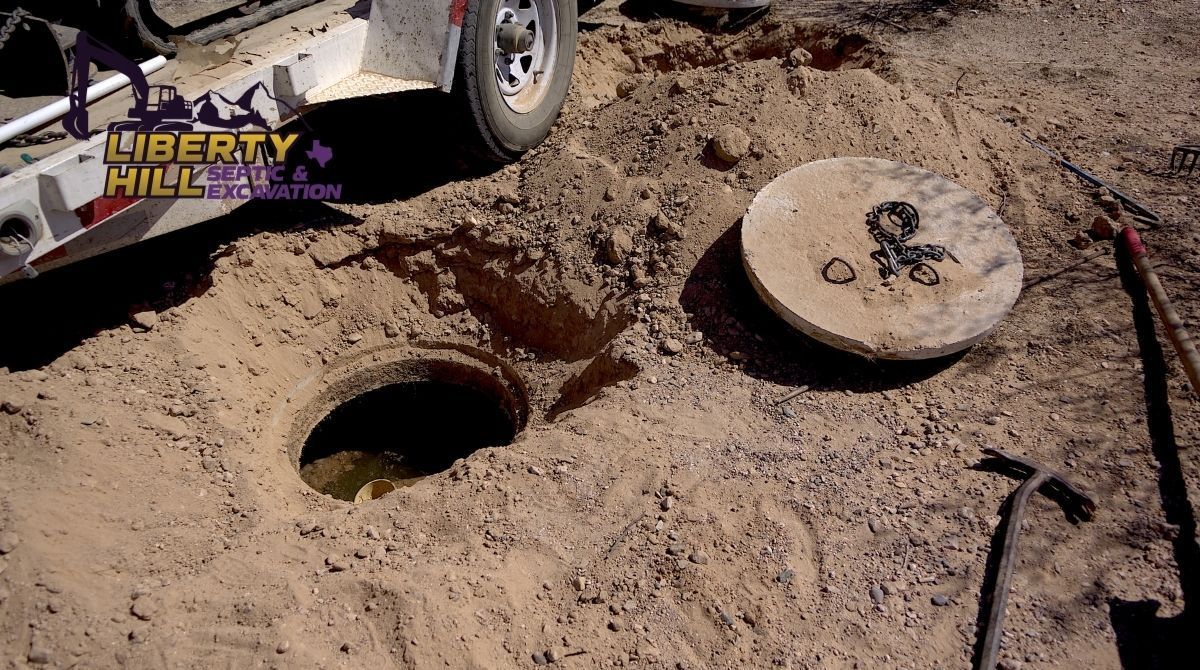
Looking for a septic service near me in Central Texas? Learn what questions to ask, what licenses matter in TX, and red flags to avoid.
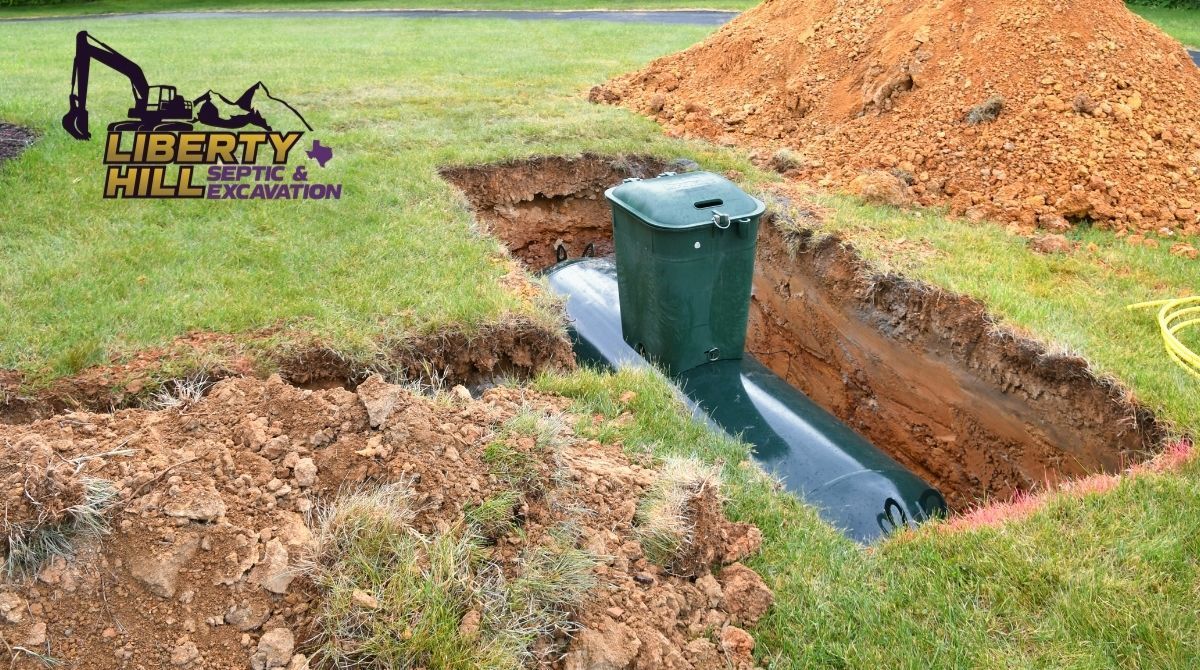
Septic system failure? Learn the warning signs, what to do, and when to call for emergency septic pumping in Liberty Hill, TX.
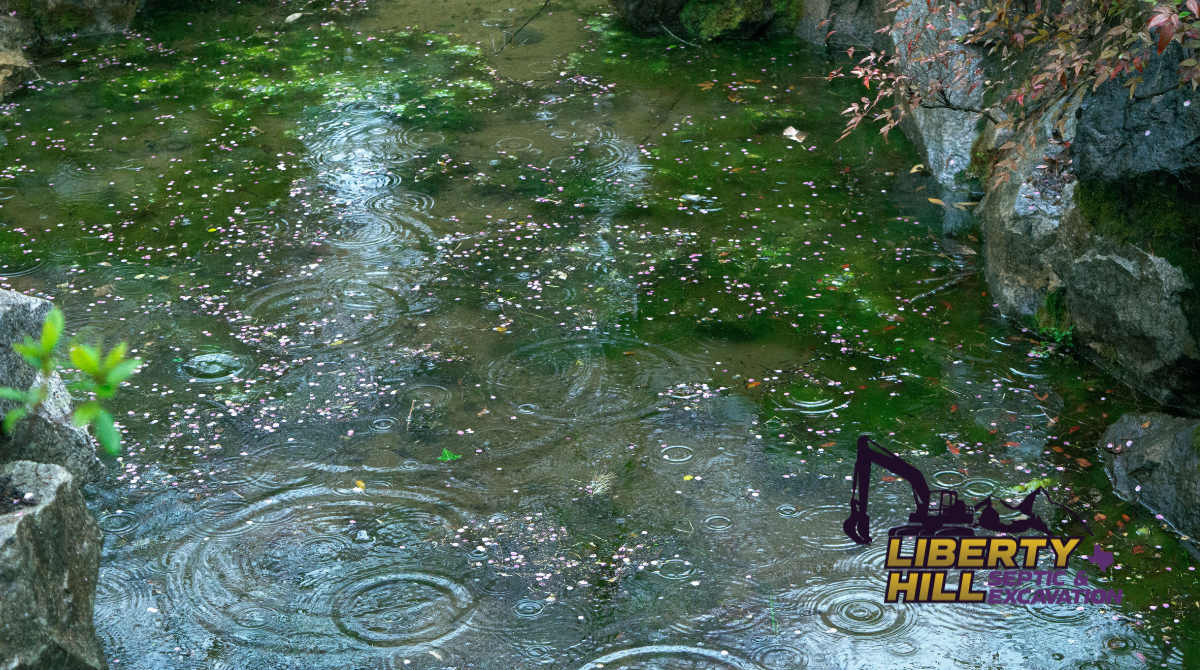
Heavy rain can cause serious septic problems in Liberty Hill, TX. Learn the warning signs, what to do, and when to call a pro.
There's nothing quite like a Texas summer evening on the back porch, until the smell hits you. If you've caught a whiff of something foul drifting up from your yard, near your drains, or around your tank lid, you're not imagining things. Summer heat has a way of turning minor septic odor problems into hard-to-ignore warning signs. And while a little smell isn't always a crisis, it's rarely something you should brush off. At Liberty Hill Septic & Excavation , we work with homeowners across the Hill Country and surrounding areas who are dealing with exactly this. Here's what those odors might be telling you, and what to do about it. Why Summer Makes Septic Odors Worse Warmer temperatures don't create septic problems out of nowhere, they amplify what's already there. The heat accelerates bacterial activity inside your tank, which can increase gas production. It also dries out the soil around your drain field, reducing the ground's ability to filter and absorb wastewater properly. Add in increased household water usage from summer guests, kids home from school, and outdoor activities, and your system is under more stress than it sees most of the year. That combination is a recipe for septic odor problems that were barely noticeable in March to become hard to ignore by July.
Seeing puddles hang around your yard long after the rain stops? It's more than just an eyesore especially here in Liberty Hill, where heavy rains and clay-rich soil can make drainage issues more common for homeowners. This standing water can be a sign of deeper issues that, if ignored, can cause real problems for your home and landscape. From killing your grass to potentially damaging your foundation, what seems like a minor inconvenience can quickly turn into a costly headache. Key Takeaways Standing water can damage grass, attract pests, and indicate poor drainage Soil conditions, grading, and gutter issues are common causes Long-term exposure to moisture can weaken your home’s foundation There are both simple and advanced solutions depending on the issue Addressing drainage early prevents expensive repairs later Why Standing Water Is More Than Just an Eyesore It’s easy to assume puddles will dry up on their own but when they don’t, it means water isn’t draining properly. Over time, this excess moisture begins to affect everything around it. Grass roots need oxygen to stay healthy. When soil stays waterlogged, those roots suffocate, leading to thinning patches, discoloration, and eventually dead areas in your lawn. At the same time, standing water creates the perfect breeding ground for mosquitoes and other insects. What starts as a small puddle can quickly turn into a recurring pest problem, making your yard less enjoyable and potentially affecting your family’s health. . What Causes Water to Collect in Your Yard? Water buildup usually points to an underlying issue with how your yard handles drainage. Some of the most common causes include: Compacted or Clay Soil Dense soil doesn’t absorb water well. Instead of soaking in, water sits on the surface and pools in low areas. Poor Yard Grading If your yard slopes toward your home even slightly water will naturally collect near your foundation instead of flowing away. Gutter and Downspout Problems Clogged gutters or short downspouts can dump large amounts of water right next to your home, overwhelming the soil’s ability to absorb it. Hidden Issues In some cases, underground plumbing leaks or irrigation problems can also contribute to constant wet spots, even when it hasn’t rained.
Spring in Central Texas means warmer days, greener lawns, and for many homeowners in Liberty Hill, it also means drainage problems start showing up fast. After months of winter buildup, your yard and septic system can struggle to keep up with heavy spring rains. At Liberty Hill Septic & Excavation , we see this every year, small drainage issues turning into costly repairs if they’re ignored. The good news? Most problems show early warning signs if you know what to look for. Key Takeaways Watch for standing water, this often signals grading or drainage issues that may require professional excavation Soggy lawns can indicate compacted soil or failing drainage systems Water near your foundation can lead to structural damage if not addressed quickly Gutters and downspouts should direct water far away from your home If issues persist, professional drainage and septic evaluation in Liberty Hill can prevent bigger problems Common Spring Drainage Issues Spring often brings a welcome change after a long winter, but it can also reveal some less-than-welcome drainage problems around your home. As the snow melts and the rains pick up, the ground can get saturated, and that's when issues that might have been hidden start to show themselves. It's like the earth is exhaling after being frozen, and sometimes, what comes out isn't pretty. Standing Water in the Yard One of the most obvious signs that something's up with your drainage is when puddles just refuse to disappear. You know, those spots in the yard that stay soggy for days after a good rain? This usually happens because the soil isn't absorbing water like it should. Maybe you have heavy clay soil that just doesn't let water through easily, or perhaps there are low spots in your yard that act like little bowls, collecting water instead of letting it flow away. This standing water isn't just an eyesore, it’s often a sign of improper grading or poor drainage design. In many Liberty Hill properties, clay-heavy soil makes this issue worse. A professional drainage solution, such as regrading or installing a French drain, can permanently fix the problem instead of just treating the symptoms. Soggy, Poorly Draining Lawns Related to standing water, a lawn that feels like a sponge even when it hasn't rained much lately is a big clue. You might notice your grass looks a bit sad or thin in certain areas, or maybe it feels squishy underfoot. This is often a sign of compacted soil. All winter long, foot traffic, snow, and just the general settling of the ground can pack the soil down so tightly that water can't penetrate. This lack of drainage stresses the grass roots, making the lawn more susceptible to disease and less resilient. Soil Erosion on Slopes If you have any slopes or hills in your yard, spring rains can be particularly harsh. Without good drainage and enough vegetation to hold the soil in place, water can just run right down, taking the topsoil with it. You might start seeing bare patches on the slope, exposed roots, or even small channels carved into the ground where the water has been flowing. This erosion doesn't just make your yard look messy; it can weaken the soil structure over time and potentially affect nearby structures like patios or walkways. It's a good idea to keep an eye on these areas, especially after heavy downpours, to catch any problems early before they get worse. Addressing these issues promptly can save you a lot of headaches down the road and help protect your property value. For more on preparing your home for the warmer months, you can check out spring home maintenance tasks . It's easy to ignore small signs of drainage trouble, especially when you're busy with other spring cleaning. However, these minor issues can quickly escalate into bigger, more expensive problems if left unaddressed. Paying attention to how water behaves on your property after rain is key to preventing damage. Yard Drainage Problems Revealed by Spring Weather Spring weather has a funny way of showing us what our yards have been hiding all winter. One minute it feels like summer, and the next, a good rain can turn your lawn into a soggy mess. This mix of wet weather and tired soil is often when a small drainage issue starts looking a lot bigger. It's usually not a dramatic flood that signals trouble; it's more like little hints that are easy to brush off. Saturated Soil and Spongy Ground Have you noticed a patch of grass that stays darker for days after the rest of the yard dries out? Or maybe the ground feels spongy in the same spot every time it rains, even if it wasn't a heavy downpour? That's a common early sign that your yard's drainage is struggling. The soil might be compacted, or perhaps the yard doesn't have the right slope to guide water away. When yard drainage is off, the ground can't absorb water like it should. Slow-Moving Surface Water Another clue is surface water that moves slowly, almost like it's hesitant to go anywhere. This often means the soil is compacted, or the yard's grading isn't directing water effectively. Healthy yard drainage allows water to spread out and soak in evenly. Poor drainage concentrates water, and over time, this can start to carve small channels in your lawn, especially near downspouts or high-traffic areas.
Texas might be known for its heat, but when a cold snap hits Liberty Hill and the surrounding Hill Country, it can seriously impact your septic system, especially if it isn’t properly installed, insulated, or maintained. You might not think about it much, but those pipes and tanks can freeze up just like your home's regular plumbing. This can lead to some nasty problems, like slow drains or even sewage backing up into your house. It's not fun, and it can get expensive fast. At Liberty Hill Septic & Excavation , we’ve helped local homeowners recover from frozen septic lines after sudden Texas freezes and knowing the warning signs early can save you thousands in repairs, especially if you're dealing with a septic backup after a freeze. Key Takeaways Texas cold snaps pose unique risks to septic systems due to shallow burial and less frequent severe weather, making them vulnerable to freezing. Signs of a frozen septic system include slow drains, gurgling sounds, sewage backup into the home, and unpleasant odors. Frozen septic pipes can cause blockages, leading to sewage backup and potential damage to the tank and drain field. Exposed pipes in unheated spaces or outdoors are particularly susceptible to freezing, potentially causing strain on joints and connections. If you suspect a frozen septic system, stop water usage immediately and call a trusted local professional like Liberty Hill Septic & Excavation for safe thawing and inspection. Understanding Septic System Vulnerabilities During Cold Snaps Texas might be famous for its scorching summers, but when a serious cold snap rolls in, it can really mess with your home's septic system. Most homes around here weren't exactly built with deep freezes in mind, which leaves them pretty exposed when the temperature plummets unexpectedly. This is especially true in areas where septic systems are common. Our team often sees freeze damage in systems with shallow burial depth, improper grading, or aging infrastructure all common in rural and semi-rural properties around Liberty Hill. Why Texas Cold Snaps Pose Unique Risks Unlike northern states where septic systems are designed for deep freezes, many Central Texas systems, especially older installations were never built for extended cold snaps. This shallow burial means pipes, tanks, and drain fields don't have much protection from the cold. Plus, since severe cold isn't an everyday thing here, most homeowners aren't fully aware of just how much damage a frozen septic system can cause. When that liquid inside your pipes starts to freeze, it slows down or completely stops wastewater from moving. This ice blockage can force waste back into your house or even crack the pipes themselves. If you don't catch it, you could be looking at some serious repair bills and a pretty unsanitary situation. Shallow Burial and Inadequate Insulation One of the biggest issues is how shallow septic lines and tanks are often installed. They might not have enough soil or insulation over them to keep the freezing temperatures at bay. Think about it: if the ground above your pipes freezes solid, those pipes are going to freeze too. This lack of protection is a major reason why septic systems in warmer climates are more susceptible to cold weather problems. Even a few inches of soil can make a difference, but when that soil freezes, it offers no warmth. The Impact of Infrequent Severe Weather Because Texas doesn't get super cold very often, homeowners might not think about winterizing their septic systems. It's easy to forget about potential problems when they only happen once in a blue moon. This lack of regular preparation means that when a cold snap does hit, many systems are caught off guard. The infrequent nature of severe weather can lead to a false sense of security, making the eventual problems even more surprising and potentially more damaging. It's like not thinking about fire safety until there's a fire – by then, it's often too late to prevent the worst of it. Recognizing Signs of Septic System Freezing When the temperatures really drop, your septic system can start to act up. It’s not always a dramatic event, but there are definitely clues that things aren't flowing like they should. Paying attention to these signals can save you a lot of headaches and potential damage. Slow Drains and Gurgling Sounds One of the first things you might notice is that your drains are moving slower than usual. Water in the sink takes its sweet time going down, or your shower might start to hold a bit of water after you’re done. This isn't just a minor inconvenience; it often means there's a blockage somewhere. If you hear gurgling sounds coming from your pipes, especially when water is draining or a toilet is flushed, that’s another big hint. It’s the sound of air and water struggling to get through a restricted pathway, which is a classic sign of frozen pipes. This can happen throughout the house, affecting sinks, tubs, and even the washing machine. Sewage Backup Into Your Home This is probably the most unpleasant sign, and it’s a pretty clear indicator that your septic system is seriously compromised. If wastewater can’t exit your home because of frozen pipes or a blocked tank, it has to go somewhere. Unfortunately, that ‘somewhere’ is often back up through your drains, toilets, or showers. You might see water backing up into your lowest-level fixtures first. A sewage backup is a serious health hazard and requires immediate professional attention. If you notice wastewater backing up, contact Liberty Hill Septic & Excavation right away to prevent further contamination or structural damage. Unpleasant Odors and Strange Noises Beyond the gurgling, you might start noticing unusual smells. A rotten egg or sulfur-like odor, especially around your plumbing fixtures or outdoors near your septic tank or drain field, can signal that waste isn't being processed correctly. This could be due to gases building up because of a blockage. Sometimes, you might hear popping or hissing sounds, which could indicate pressure changes within the pipes as ice forms or shifts. These aren't noises you typically associate with a healthy plumbing system, so they're worth investigating. How Freezing Temperatures Damage Septic Components When that Texas cold snap hits, your septic system can really take a beating. It’s not just about inconvenience; actual damage can happen to the different parts of your system. Let's break down how the freezing temperatures can mess with things. Frozen Septic Pipes and Blockages This is usually where the trouble starts. Any water sitting in a pipe that's exposed to freezing air can turn into ice. Think about it: wastewater needs to flow, but ice is a pretty solid roadblock. As more water tries to get through and freezes, the blockage just gets bigger. This ice expansion can actually crack your pipes. If the pipes leading to your septic tank freeze up, that wastewater has nowhere to go. It'll either get stuck or, worse, back up into your house through sinks, toilets, and showers. That's not just gross; it can cause water damage inside your home too. It’s a real headache, and dealing with frozen septic pipes can get expensive fast. Impact on Septic Tanks and Baffles While septic tanks are usually buried pretty deep, they aren't completely immune to freezing, especially if the system isn't used much. When there's no warm wastewater flowing through regularly, the temperature inside the tank can drop. Ice can form, particularly around the baffles – those are the things that separate the solids from the liquids. If ice builds up on these baffles, it can stop the tank from doing its job properly. This means waste won't be treated or moved along like it should be, and you might need a professional to come out and sort it after it thaws. Vulnerability of the Drain Field The drain field, also called the leach field, is where the treated wastewater finally goes into the soil. If this area gets saturated with water and then freezes, its ability to absorb liquid is pretty much gone. A frozen drain field doesn't thaw out quickly, especially if the soil is already compacted or doesn't drain well. This leads to wastewater pooling on the surface or backing up into the tank, affecting the whole system's function. It’s a tough spot because you can’t really do much until the ground thaws naturally. Identifying Exposed Pipes as a Major Risk Sometimes, the most obvious problems are the ones we overlook. When it comes to septic systems and freezing temperatures, exposed pipes are a big red flag. These are the parts of your system that are most vulnerable to the cold, and they can lead to some serious headaches if not protected. Pipes in Unheated Spaces Think about areas in your home that don't get much heat. This includes crawl spaces, unfinished basements, garages, and even attics. If your septic pipes run through these spots, they're basically sitting ducks when the temperature drops. Water inside these pipes can freeze much faster than in pipes that are surrounded by warm living spaces. It's like leaving a garden hose out in the frost – it's bound to freeze up. Outdoor Plumbing Vulnerabilities Anything outside your home's main heated envelope is at risk. This isn't just about the pipes you can see running along the exterior of your house. It also includes any part of the septic system that surfaces above ground, like cleanouts or access points, especially if they aren't properly insulated. Even pipes buried shallowly near the surface in areas that get particularly cold can be problematic. Strain on Pipe Joints and Connections Freezing isn't just about blocking pipes; it's also about expansion. When water freezes inside a pipe, it expands. This expansion puts a tremendous amount of pressure on the pipe itself, but also on the joints and connections where pipes meet. These connection points are often weaker than the straight sections of pipe. The pressure from expanding ice can cause these joints to crack or even separate , leading to leaks and potential sewage backups. It’s a domino effect: a small freeze can lead to a significant failure at a connection point. Here's a quick look at why these exposed areas are so risky: Unheated Areas : Crawl spaces, attics, garages, and unfinished basements offer little to no protection from freezing temperatures. Above-Ground Components : Any part of the septic system that is exposed to the elements is susceptible. Shallow Burial : Pipes buried just below the frost line can still freeze during extended cold snaps. Joints and Fittings : These are often the weakest points in the system and are prone to damage from ice expansion. "Ignoring these exposed sections is a gamble. The cost of preventative insulation is almost always less than the cost of repairing a burst pipe or dealing with a sewage backup. It's a simple matter of protecting the weakest links in your septic system before the cold weather does the damage for you."
