How does a septic tank and drain field work?
If you live outside city sewer lines in Central Texas, your septic system is doing a lot of heavy lifting behind the scenes. At Liberty Hill Septic & Excavation, we spend our days installing, repairing, and explaining these systems to homeowners who want things done right the first time. Think of it as a two-part system: the tank does the heavy lifting of separating waste, and the drain field finishes the job by letting the water safely soak into the ground. We'll break down the basics so you can get a better handle on what's happening underground.
Key Takeaways
- A properly installed septic system includes a septic tank and drain field that work together to safely treat wastewater, something Liberty Hill Septic & Excavation designs with soil conditions and long-term performance in mind.
- Wastewater from your house goes into the septic tank, where solids sink and grease floats, leaving cleaner liquid (effluent) to move on.
- The drain field uses perforated pipes to spread the effluent over an area, allowing soil microbes to naturally filter and clean the water before it reaches groundwater.
- Different types of drain fields exist, including gravity-fed systems and pressure distribution systems, each with its own way of moving wastewater and suitability for different terrains.
- Proper maintenance, avoiding harsh chemicals, and understanding how your system handles waste are important for the long life of your septic tank installation and drain field.
Understanding The Septic System Components
So, you've got a septic system, huh? It's basically your home's own little wastewater treatment plant, tucked away underground. Most systems have two main parts: the septic tank and the drainfield. They work together to handle all the stuff that goes down your drains. It's not magic, just some clever engineering.
The Role Of The Septic Tank
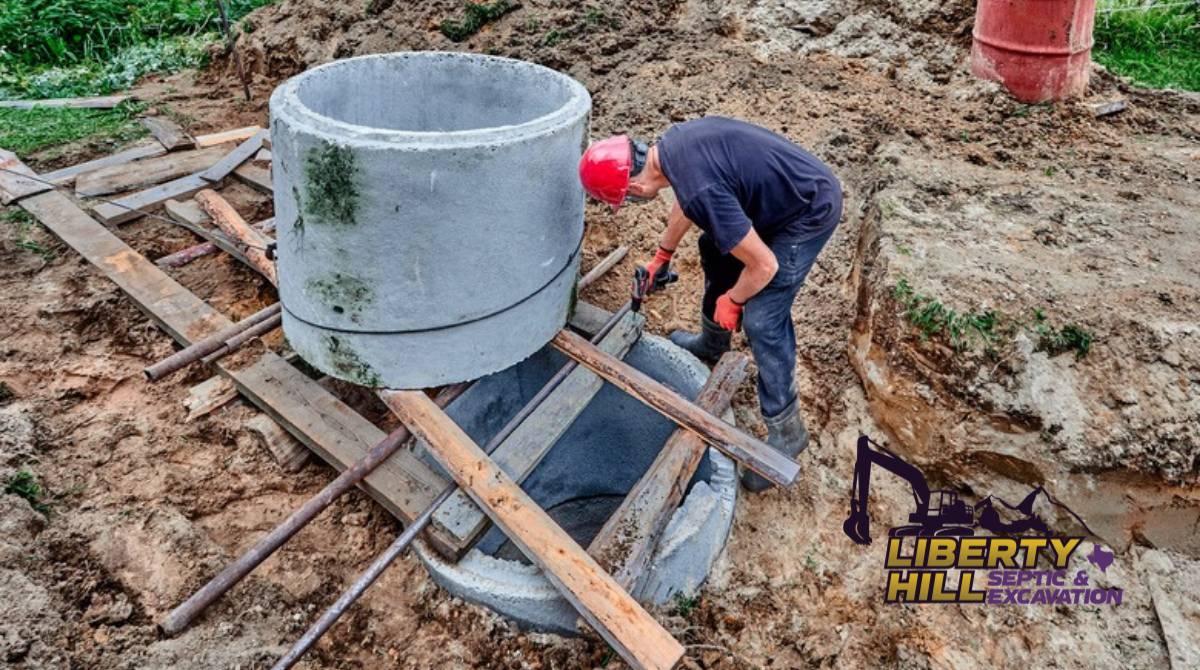
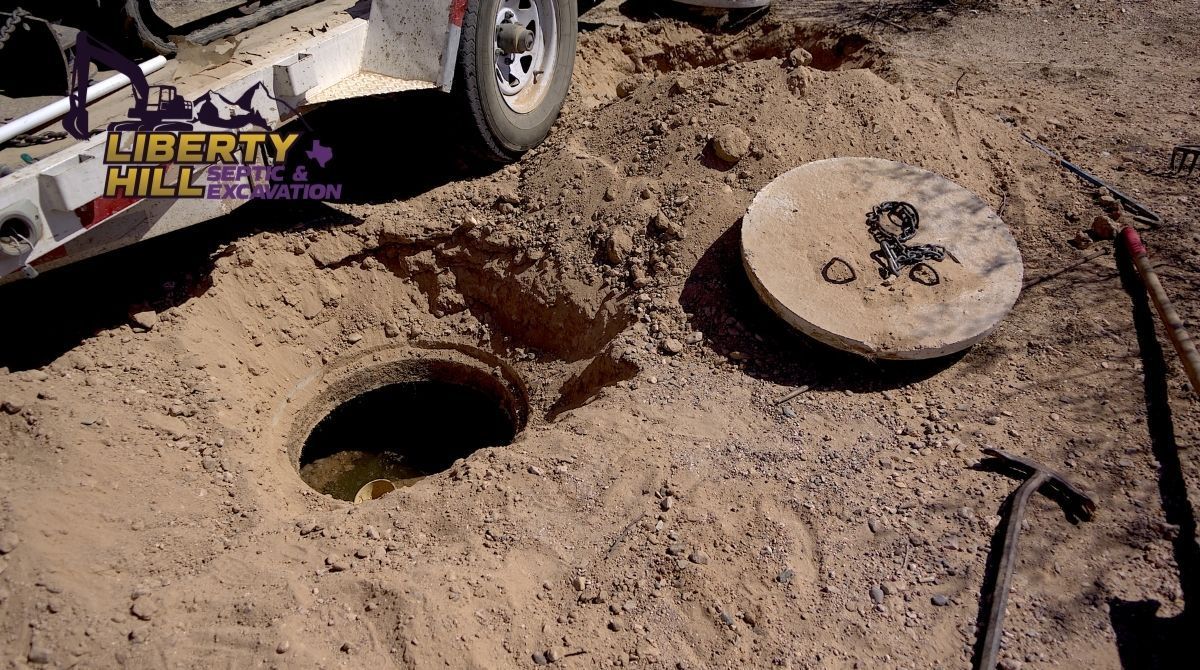
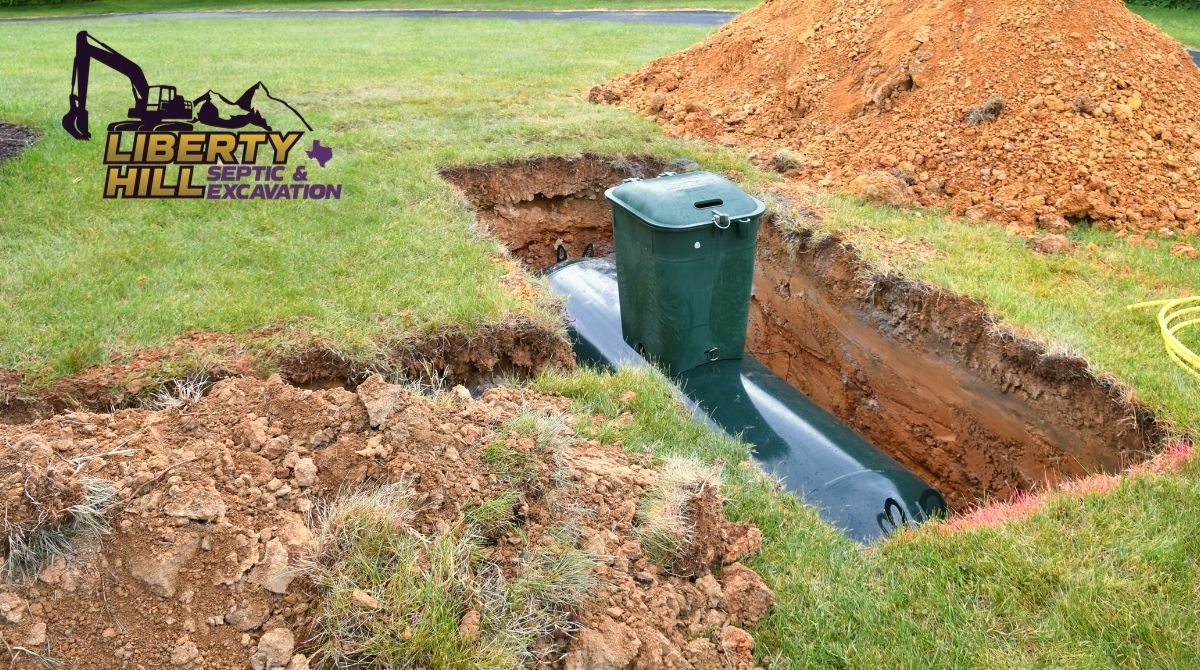
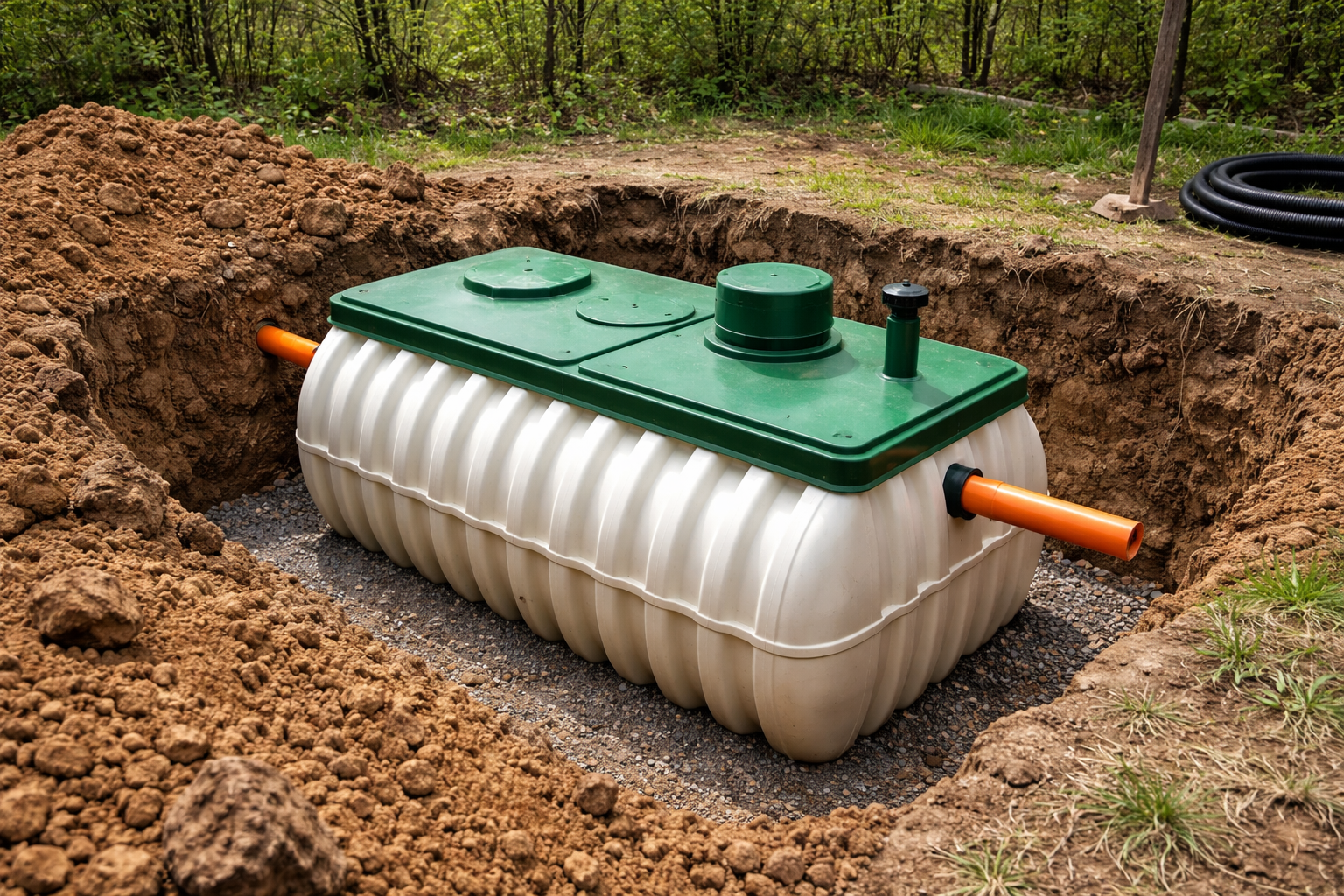
The septic tank is where the initial breakdown happens. Think of the septic tank as your system’s first line of defense. When installed correctly, like the systems we build at Liberty Hill Septic & Excavation, it protects your drain field from premature failure. All the wastewater from your house flows into this tank. Inside, things start to separate. Heavier solids sink to the bottom, forming a layer called sludge. Lighter stuff, like grease and oils, floats to the top, creating a layer of scum. The liquid in the middle, called effluent, is what moves on to the next stage. The tank is designed to keep the sludge and scum from leaving, so only the treated liquid makes its way out.
The Function Of The Drain Field
After leaving the septic tank, the effluent heads to the drainfield, also known as a leach field or soil absorption field. This is usually a series of trenches dug into the ground, filled with gravel or other porous material, and covered with soil. Perforated pipes run through these trenches, slowly releasing the effluent. The idea is to let the liquid seep out into the soil. This soil acts as a natural filter, cleaning the wastewater before it eventually makes its way into the groundwater. It's a pretty neat natural process.
Essential Piping And Connections
Of course, none of this would work without the pipes connecting everything. You've got your main sewer line coming from the house to the septic tank, and then pipes leading from the tank to the drainfield. These pipes need to be properly sloped so gravity can do its job, moving the wastewater along. Sometimes, especially if the ground is flat or the drainfield is uphill from the tank, a pump might be needed to push the effluent along. The connections have to be watertight to prevent leaks and keep everything contained.
How Wastewater Is Processed In The Septic Tank
So, you've got wastewater coming from your house, right? All of it heads towards the septic tank, which is basically a big, buried container. Think of it as the first stop for all the stuff that goes down your drains. Its main job is to give the wastewater some time to chill out and separate things. This is where the magic, or at least the science, really begins.
Separating Solids And Scum
Inside the tank, waste separates naturally, but poor maintenance or improper sizing can overwhelm the system. This is one of the most common issues we see during septic inspections. Meanwhile, lighter materials, mostly grease, oils, and fats, float to the top, forming a layer known as scum. The septic tank is designed to keep these layers separate from the liquid in the middle. Special baffles or a T-shaped pipe at the outlet prevent the sludge and scum from making their way out into the drain field. The liquid that's left in the middle, called effluent, is what moves on to the next stage. It's not perfectly clean, but it's a lot better than when it first arrived.
The Anaerobic Digestion Process
Down in the sludge layer, a whole world of tiny organisms is hard at work. Since there's no oxygen down there, these microbes get busy breaking down the organic waste through a process called anaerobic digestion. It's a slow but steady breakdown. While digestion reduces solids, it does not eliminate the need for pumping. Regular service is essential to avoid costly drain field repairs. While it doesn't get rid of everything, it does a decent job of pre-treating the waste before it leaves the tank. This is a key part of how the system handles wastewater treatment.
Effluent Discharge To The Drain Field
After the solids have settled and the scum has floated, the clearer liquid, the effluent, is ready to leave the tank. It flows out through that outlet pipe, heading towards the drain field. This effluent still contains dissolved waste and some suspended solids, but the bulk of the heavy stuff and grease has been removed. The drain field is where the final treatment happens, using the soil to filter and purify the liquid. It's important that this effluent is discharged properly to avoid overwhelming the drain field, which can lead to flooding or backups.
"The septic tank acts as a primary treatment unit, separating solids and grease from the liquid wastewater. This separation is vital for the effective functioning of the subsequent drain field treatment process. Without this initial step, the drain field would quickly become clogged and unable to treat the wastewater effectively."
The Drain Field's Crucial Treatment Role
So, after the gunk settles in the septic tank, what happens to the watery stuff, the effluent? That's where the drain field, sometimes called a leach field, steps in. It's basically the final cleanup crew for your wastewater before it heads back into the environment. Think of it as nature's filter system, working hard to make sure what goes back into the ground is clean.
Percolation Through Soil Layers
The liquid, or effluent, from your septic tank isn't exactly pure. It still has some dissolved stuff and tiny particles. When it leaves the tank, it flows into the drain field, which is usually a network of pipes buried underground. These pipes have holes, letting the effluent slowly seep out into the surrounding soil. As the water moves down through the different soil layers, it starts to naturally filter. Different soil types will let water pass through at different speeds. Sandy soil lets water move pretty fast, while clay soil is much slower. This movement, or percolation, is the first step in cleaning the water.
Microbial Filtration Of Effluent
This is where the real magic happens. The soil isn't just a passive filter; it's alive! Billions of tiny microorganisms, like bacteria and fungi, live in the soil. When the effluent seeps through, these microbes get to work. They eat up a lot of the organic waste and break down harmful compounds. It’s like a microscopic cleanup crew feasting on the leftovers. This biological process is super important for removing pollutants and nutrients that could otherwise cause problems.
Natural Purification Of Wastewater
By the time the wastewater has trickled through the soil and been processed by all those helpful microbes, it's pretty much purified. The soil acts as a physical barrier, trapping solids, while the biological activity breaks down the rest. This natural purification process means that the water that eventually reaches the groundwater is clean and safe. It's a pretty neat system that relies on natural processes to do a big job. The drain field's ability to filter and treat wastewater is what protects local water sources from contamination.
Here's a quick look at what happens:
- Effluent Enters: Liquid waste leaves the septic tank and flows into the drain field pipes.
- Seepage: The effluent slowly seeps out of the perforated pipes into the surrounding soil.
- Filtration: Soil layers physically trap solids and larger particles.
- Microbial Action: Beneficial microbes in the soil break down organic waste and harmful compounds.
- Purification: Cleaned water percolates deeper into the ground, reaching the groundwater safely.
Materials And Construction Of Drain Fields
So, you've got this liquid stuff, called effluent, coming out of your septic tank. It's not exactly clean water yet, but it's also not the solid gunk that stayed behind. This effluent needs a place to go for its final treatment, and that's where the drain field comes in. Think of it as the natural filtration system for your home's wastewater.
Perforated Pipes For Distribution
The main workhorses in a drain field are the perforated pipes. These are usually made of sturdy plastic, like PVC, designed to last a good long while underground. They're laid out in a specific pattern, often in trenches, and their job is to spread that effluent out evenly. The little holes along the pipes let the liquid slowly seep out into the surrounding soil. It's a pretty simple idea, really: get the liquid out to a larger area so the soil can do its thing.
Gravel And Porous Media
Around those perforated pipes, you'll typically find a layer of gravel or some other kind of porous material. This isn't just for show. The gravel acts as a buffer zone. It helps keep the effluent from just gushing out of the pipes all at once and gives it a bit of space to start trickling into the soil. It also helps prevent finer soil particles from clogging up the holes in the pipes. This layer is pretty important for making sure the system works smoothly.
Soil Cover For Protection
Finally, all of this – the pipes, the gravel – gets covered up with soil. This top layer of soil is more than just dirt. It's the final stage of treatment. As the effluent moves down through the soil, all sorts of good things happen. Microbes living in the soil break down any remaining yucky stuff, and the soil itself acts like a natural filter, catching impurities. This soil cover also protects the whole system from things like animals digging around or surface water runoff getting in where it shouldn't. It's this combination of engineered components and natural soil that makes the drain field effective.
"The design of a drain field is a careful balance. You need the soil to be permeable enough to let the water drain away, but not so permeable that harmful stuff can just zoom through to the groundwater. It's a bit of a Goldilocks situation – just right."
Conventional Gravity-Fed Systems
Think of a conventional gravity-fed septic system as the old-school, no-frills approach to handling wastewater. It relies on a simple, natural force: gravity. After your wastewater leaves the septic tank, where solids and liquids are separated, it just… flows. This effluent moves downhill through a network of pipes and into your drain field.
Gravity's Role In Effluent Flow
This system works because water naturally seeks the lowest point. As long as your drain field is situated lower than your septic tank, gravity will do the heavy lifting, pushing the liquid waste out of the tank and into the trenches or beds where it can soak into the soil. It’s a pretty straightforward setup, and for many homes, it works just fine.
Limitations Of Gravity Distribution
But here's where things can get tricky. Gravity only works downhill. If your property’s layout isn't ideal, meaning the drain field can't be placed below the tank, a gravity system just won't cut it. You can't force water uphill with gravity alone. Also, gravity systems tend to dump effluent in one general area, which can lead to uneven distribution. Some parts of the drain field might get overloaded while others stay dry.
Potential For Soil Saturation
This uneven distribution is a big deal. When one area of the drain field gets too much liquid, the soil there can become waterlogged, or saturated. This makes it hard for the soil to do its job of filtering and treating the wastewater. It can lead to pooling water, unpleasant odors, and eventually, system failure. It’s like trying to water a plant with a fire hose – too much, too fast, in one spot.
"When a gravity system isn't properly designed for the site, or if the soil conditions aren't quite right, the drain field can quickly become overwhelmed. This saturation prevents the natural processes that treat wastewater from happening effectively, potentially leading to contamination and costly repairs."
Here’s a quick look at why gravity systems have their limits:
- Topography Dependent: Requires the drain field to be downhill from the septic tank.
- Uneven Distribution: Effluent tends to pool in lower spots, leaving other areas dry.
- Soil Overload Risk: Can oversaturate specific areas, hindering treatment and potentially causing system backup.
- Limited Site Options: Not suitable for all property layouts or soil types.
Advanced Pressure Distribution Systems
Sometimes, the good old gravity-fed system just doesn't cut it. That's where advanced pressure distribution systems come into play. These systems are a bit more complex than their gravity counterparts, but they solve some pretty tricky problems.
How Pressure Systems Distribute Effluent
Instead of relying on gravity to move wastewater from the septic tank to the drain field, pressure systems use a pump. After the wastewater leaves the septic tank and goes into a dosing tank, a pump kicks in. This pump pushes the effluent through a network of pipes. These pipes have small holes, or orifices, drilled into them. The pump creates pressure, forcing the wastewater out through these holes evenly across the entire drain field. This even distribution is the key to how these systems work so well. It means no single spot gets overloaded with liquid, which is a big deal for soil health and treatment.
Benefits For Sloping Terrain
Gravity only works downhill, right? So, if your drain field is uphill from your septic tank, or if your property has a significant slope, a gravity system will struggle. Pressure distribution systems are perfect for these situations. They can push wastewater uphill and spread it out evenly, even on tricky terrain. This prevents effluent from pooling in low spots, which can happen with gravity systems and lead to flooding or contamination. It's a smarter way to manage wastewater flow when the land isn't cooperating.
Ensuring Even Distribution Over Large Areas
Got a big yard or a drain field that needs to cover a lot of ground? Gravity systems can have a hard time pushing wastewater evenly over large distances. Pressure systems, however, are designed for this. By using a pump and a carefully planned network of pipes, they can ensure that every part of a large drain field gets its share of the effluent. This is important because it maximizes the treatment area and prevents parts of the drain field from becoming oversaturated while others remain dry. It's all about making sure the entire drain field is working efficiently. If you're looking into options for your property, talking to a professional about septic system services can help you figure out the best fit.
Here's a quick look at why pressure systems are often chosen:
- Sloping Lots: They can move wastewater uphill.
- Large Drain Fields: They distribute effluent evenly over wide areas.
- Shallow Soils: They prevent oversaturation by dosing precisely.
- Difficult Terrain: They overcome challenges where gravity fails.
"Pressure distribution systems are a more advanced solution, often chosen when site conditions make conventional gravity systems impractical or ineffective. They require careful design and installation to function correctly, but the benefits in terms of wastewater treatment and drain field longevity can be substantial."
Key Components Of Pressure Distribution
So, you've got a pressure distribution system for your septic setup. It's a bit more involved than a simple gravity setup, but it's got some neat parts that make it work. Think of it like a carefully orchestrated delivery system for your wastewater.
Pretreatment And Pump Chambers
Before the wastewater even thinks about heading to the drain field, it needs a little more attention. After leaving the main septic tank, where the heavy stuff settles out, the liquid effluent moves into a pretreatment area. This is often a separate chamber, sometimes called a dosing or pump chamber. Its main job is to collect the wastewater between pump cycles. This staging area is important because it allows the system to send out controlled doses of effluent rather than a constant trickle, which helps prevent overwhelming the drain field. It's also where the pump that drives the whole pressure system lives.
The Role Of The Effluent Filter
Now, nobody wants gunk messing up their fancy pump or clogging up those tiny holes in the drain field pipes. That's where the effluent filter comes in. It's usually a screen or a series of screens placed between the septic tank outlet and the pump chamber. Its sole purpose is to catch any remaining solids or debris that might have slipped past the septic tank's initial separation. Keeping this filter clean is super important for the longevity of your pump and the entire distribution network.
Pump And Control Systems
This is the "brains" and the "muscle" of the pressure distribution system. The pump itself is what actually pushes the effluent out to the drain field under pressure. But it doesn't just run all the time. It's connected to a control system, often a timer or a float switch, that tells it exactly when to turn on and for how long. This controlled dosing is what allows the system to spread out the wastewater application over time and space, giving the drain field a chance to rest and treat the effluent effectively between doses. The control box also houses the electrical connections and safety features for the pump.
Distribution Network Design
The network itself is where the magic happens in the drain field. It's made up of a main pipe (sometimes called a force main) that carries the pressurized effluent from the pump to a manifold. From the manifold, smaller lateral pipes branch out across the drain field. These lateral pipes have small holes, called orifices, drilled into them. The size and spacing of these orifices are carefully calculated. When the pump activates, effluent is forced through these pipes and sprays out of the orifices, distributing the wastewater evenly across the entire drain field area. This even distribution is key to preventing oversaturation in one spot and ensuring the soil has enough time to treat the wastewater.
Factors Influencing Drain Field Lifespan
So, how long can you expect your drain field to keep doing its job? Well, it's not a one-size-fits-all answer, really. A lot goes into how long these systems last, and it's not just about how old they are. Think of it like a car; if you don't take care of it, it's not going to run forever, right? The same goes for your drain field. Proper installation and regular upkeep are the biggest players in its longevity.
Several things can really make a difference:
- Initial Setup Quality: How well the drain field was put in the first place matters a ton. If it wasn't designed or installed correctly for your specific soil and site conditions, you're already starting off on the wrong foot.
- Wastewater Volume: How much water your household uses daily is a huge factor. Too much water, especially if it's consistently high, can overwhelm the system. This means the soil doesn't get a chance to dry out between doses, leading to saturation.
- Soil Conditions: The type of soil you have plays a big role. Some soils drain well but might not filter effectively, while others filter great but can get clogged easily. The soil's ability to absorb water, known as its permeability, is key.
- Maintenance Schedule: This is where many people fall short. Not pumping the septic tank regularly means solids can escape into the drain field, clogging it up. Ignoring small issues can turn into big, expensive problems.
Here’s a quick look at how these factors can impact things:
| Factor | Potential Impact on Lifespan |
|---|---|
| Poor Installation | Premature clogging, uneven distribution, reduced treatment |
| High Water Usage | Soil saturation, hydraulic failure, shortened lifespan |
| Inadequate Maintenance | Solid in drain field, clogging, system failure |
| Unsuitable Soil Type | Slow drainage, pooling water, reduces treatment effectiveness |
| Heavy Vehicle Traffic | Pipe damage, soil compaction, reduced absorption |
"It's important to remember that drain fields are designed to work with natural processes. When these processes are disrupted by excessive use, improper waste disposal, or neglect, the system's ability to treat wastewater effectively diminishes, leading to a shorter operational life. Think of it as a delicate balance that needs to be respected."
If you're looking at a new system or trying to keep your current one running smoothly, understanding these influences can help you make better decisions. For instance, being mindful of water usage and sticking to a pumping schedule can significantly extend the life of your drain field, potentially saving you a lot of headaches and money down the road. A well-maintained system can last for decades, but it requires attention.
Common Issues Affecting Drain Fields
Even with regular upkeep, drain fields can run into problems. Think of it like any part of your house; sometimes things just don't work as smoothly as they should. When your drain field isn't doing its job right, it can lead to a few messy situations.
Root Intrusion and Blockages
Tree roots are surprisingly persistent. They're always looking for a water source, and the pipes in your drain field can look pretty inviting. Once roots find their way in, they can grow, break pipes, and really gum up the works. You might notice slow drains or even sewage backing up into your house if this happens. Sometimes, you'll see unusually green, lush patches of grass right over the drain field, which can be a sign that roots are getting in and drawing moisture.
Signs of Drain Field Flooding
If you start seeing standing water or puddles forming on top of your drain field, that's a pretty clear sign something's wrong. This usually means the soil can't absorb the wastewater anymore, or the pipes are blocked. A persistent sewage smell hanging around your yard is another big red flag. This oversaturation can happen if the drain field is too small for the amount of water being used, or if the soil itself has become compacted over time, making it hard for water to drain away.
Clogged Pipelines and Odors
Over time, the pipes in the drain field can get clogged. This isn't always from roots. Sometimes, it's a buildup of
sludge or other materials that shouldn't have made it past the septic tank in the first place. When this happens, wastewater can't flow properly. You'll likely experience slow drains in your sinks and toilets, and that unpleasant sewage smell can start to creep into your home. It's a good idea to be mindful of what goes down your drains; things like grease, harsh chemicals, or even too much toilet paper can contribute to clogs. If you're having issues, it might be time to look into septic tank maintenance to prevent further damage.
Maintaining Your Septic System's Health
Keeping your septic system running smoothly isn't rocket science, but it does take a little attention. Think of it like taking care of a car; regular check-ups and using the right fuel make a big difference. A well-maintained system lasts longer and saves you from a lot of headaches.
Proper Waste Disposal Practices
What you put down your drains and toilets directly impacts your septic tank and drain field. It's easy to forget that everything eventually ends up there. So, what should you avoid?
- Fats, oils, and grease: These can build up and clog pipes, both inside your house and in the tank itself. They don't break down easily.
- Non-biodegradable items: Things like paper towels, feminine hygiene products, dental floss, and cat litter should go in the trash, not the toilet. They don't decompose and can cause blockages.
- Harsh chemicals: Drain cleaners, bleach, paint thinners, and motor oil can kill the beneficial bacteria in your septic tank that are needed to break down waste. A little bit might be okay, but regular use is a problem.
- Coffee grounds and eggshells: While they seem natural, they can accumulate in the tank and contribute to sludge buildup.
Being mindful of these items helps prevent costly clogs and damage to your septic system.
Understanding Dosing and Resting Periods
Your septic system, especially the drain field, needs time to work. Wastewater doesn't just disappear instantly. When the septic tank is pumped, the liquid effluent flows into the drain field. The soil and microbes there treat the wastewater.
- Dosing: This refers to the amount of wastewater sent to the drain field at one time. Overloading it means the soil can't treat the water effectively, leading to saturation.
- Resting: Allowing periods between doses gives the soil a chance to dry out slightly and the microbes to do their job. This is especially important if you have a smaller drain field or less permeable soil.
Try to spread out your water usage throughout the day. Instead of running the dishwasher, washing machine, and taking multiple showers back-to-back, stagger these activities. This allows the system to process the wastewater more efficiently.
Avoiding Harmful Chemicals
We touched on this a bit, but it's worth repeating. Those strong cleaning products under your sink can be really tough on your septic system. The bacteria in the septic tank are like tiny workers that break down waste. When you pour harsh chemicals down the drain, you're essentially poisoning those workers.
"Using milder, septic-safe cleaners is a simple switch that makes a huge difference. Look for products specifically labeled as safe for septic systems. Even things like excessive amounts of bleach or disinfectants can disrupt the natural bacterial balance. It's about finding a balance between keeping your home clean and protecting the biological processes happening underground."
If you're unsure about a product, it's always best to err on the side of caution and choose a gentler alternative. This proactive approach is crucial for the longevity and proper functioning of your septic system, and it's a key part of regular maintenance.
Soil Suitability For Septic Tank Installation
The Purpose Of Percolation Testing
Before you even think about putting in a septic system, you gotta make sure the ground can handle it. That's where a percolation test, or 'perc test' as folks call it, comes in. It's basically a way to figure out how fast water drains through the soil. The goal is to find soil that's permeable enough to let the wastewater from your septic tank soak away, but not so permeable that it lets nasty stuff like bacteria and viruses sneak into the groundwater too quickly. If the soil drains too fast, like really sandy or gravelly stuff, the bad stuff might not get filtered out before it reaches your well or a nearby stream. On the flip side, if it's too dense, like heavy clay, the water won't drain away, and you'll end up with a soggy mess, which is no good for anyone.
Evaluating Soil Texture And Structure
Beyond just the drainage rate, a soil scientist or engineer will look closely at the soil itself. They're checking out its texture – basically, how much sand, silt, and clay is in it. They also look at the structure, which is how those soil particles clump together. Think about it: soil with good structure has little spaces, or pores, that let water and air move through. Too much clay can make the soil dense and slow to drain, while too much sand means water rushes through too fast. They'll also check for things like roots and how the soil feels when it's wet or dry. It's all about understanding how the soil will behave when it's constantly getting liquid from the septic tank.
Balancing Permeability And Filtration
It's a bit of a balancing act, really. You need the soil to be open enough to accept the liquid from your drain field without backing up. That's the permeability part. But you also need it to be fine enough to act like a natural filter, catching and breaking down any remaining contaminants before they can cause problems. This filtration process relies on tiny soil particles and the helpful microbes that live in the soil. They work together to clean up the wastewater. Getting this balance right is super important for the long-term health of your septic system and the environment around it. If one side of the balance is off, you can run into issues down the line.
Here's a quick rundown of what they look for:
- Soil Texture: The mix of sand, silt, and clay.
- Soil Structure: How soil particles are arranged, creating pore spaces.
- Organic Matter Content: More organic matter can help with filtration.
- Presence of Rocks/Gravel: Can affect drainage and filtration.
- Depth to Groundwater: High water tables can limit where a drain field can go.
"The soil isn't just dirt; it's a living filter. The way it's put together, the size of the particles, and even the tiny organisms living in it all play a role in cleaning the wastewater from your home. Choosing the right spot with the right soil conditions is like giving your septic system the best possible foundation to do its job effectively and safely for years to come."
Choosing the right spot for your septic tank is super important. We need to make sure the ground is good for it to work properly and last a long time. Thinking about the soil type and how well it drains helps us avoid future problems. Want to know if your land is ready for a septic system? Check out our website for more details and expert advice!
Wrapping It Up
So, that's the basic rundown of how your septic tank and drain field work together. It's pretty neat, really. All that stuff from your house goes into the tank, solids sink, yucky stuff floats, and then the liquid part, the effluent, heads out to the drain field. There, it slowly seeps into the soil, and nature does its thing, cleaning it up before it goes back into the ground. It’s a pretty clever system that keeps things working smoothly at home, as long as it’s looked after. Keeping an eye on it and doing the right maintenance means it’ll keep doing its job for a good long while.
Ready to Make Sure Your Septic System Is Set Up Right? Whether you’re building new, replacing an aging system, or just want peace of mind, Liberty Hill Septic & Excavation is here to help. Our team understands local soil conditions, code requirements, and long-term performance. Contact us today to schedule a consultation or septic inspection before small issues turn into expensive problems.
Frequently Asked Questions
What are the main parts of a septic system?
A typical septic system has two main parts: the septic tank and the drain field. The tank holds all the waste from your house, and the drain field is where the liquid waste gets cleaned before going back into the ground.
How does the septic tank clean the water?
Inside the septic tank, solids sink to the bottom as sludge, and lighter stuff like oil and grease floats to the top as scum. The liquid in the middle, called effluent, then moves on to the drain field for further cleaning.
What happens to the water in the drain field?
The liquid from the tank flows through pipes in the drain field. As it slowly seeps into the soil, tiny natural helpers like bacteria and the soil itself filter out and break down harmful stuff, making the water clean.
What is a drain field made of?
A drain field usually has pipes with holes in them, often laid in trenches filled with gravel. This setup helps spread the liquid waste evenly so it can soak into the soil properly.
How long does a drain field usually last?
With good care, a drain field can work well for about 20 to 30 years. Things like how it was installed, how much water it handles, the type of soil, and regular check-ups can affect how long it lasts.
What can go wrong with a drain field?
Problems can include tree roots growing into the pipes, the field getting too wet and flooded, or pipes getting blocked. You might notice slow drains, bad smells, or soggy spots in your yard.
How can I keep my septic system healthy?
It's important to only flush toilet paper and human waste. Avoid pouring grease, harsh chemicals, or things like bleach down the drain, as they can harm the natural cleaning process in the tank and drain field.
Why is soil important for a drain field?
The soil acts like a natural filter. It needs to let water soak in at a good pace but also be fine enough to catch and break down germs. A test called a 'perc test' helps figure out if the soil is right for a drain field.